
Comparing Different Coaching Models: Which One is Right for You?
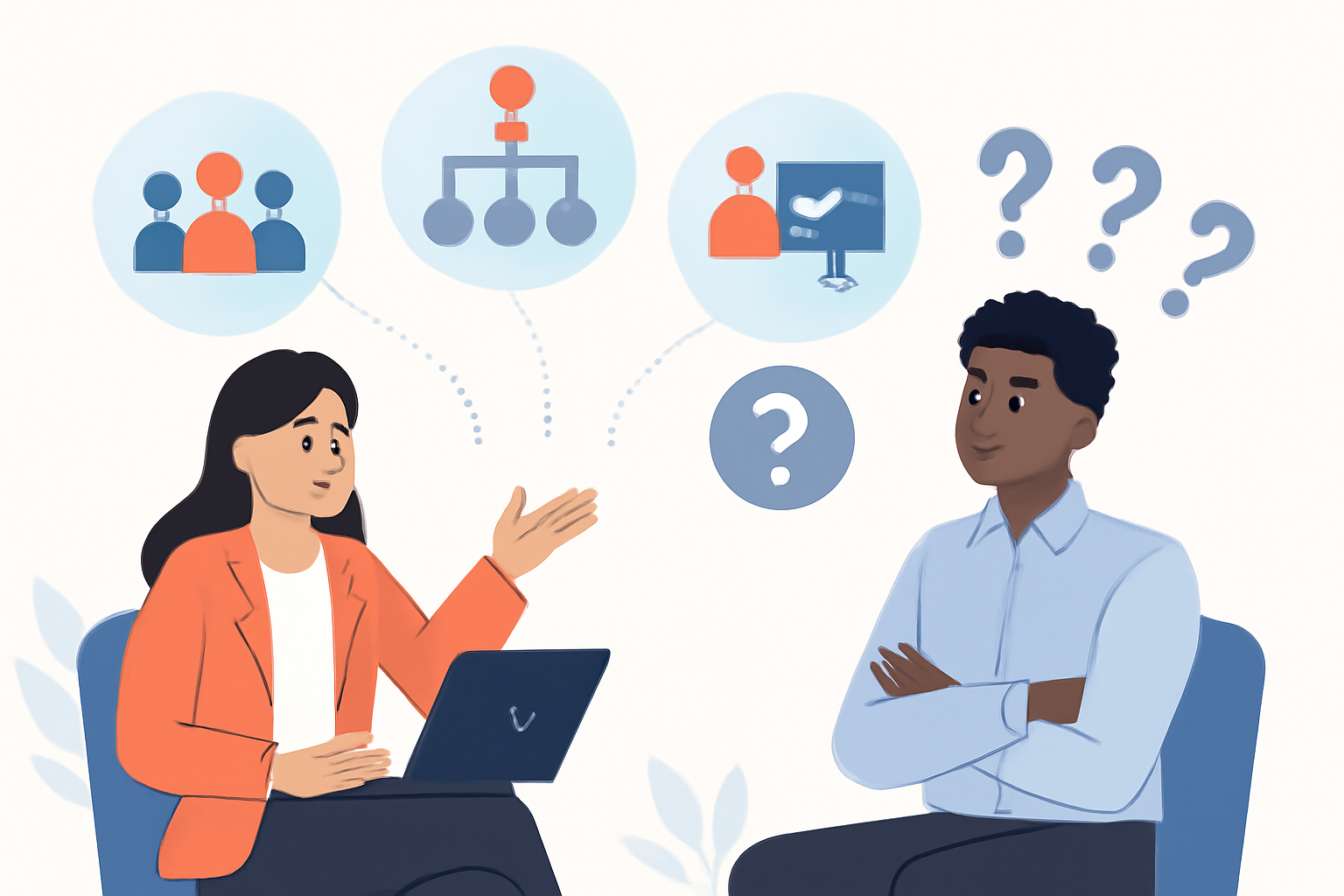
In the world of coaching, various models exist that cater to different needs and goals. Understanding these models can help you select the right approach for your personal or business development. This post will compare several popular coaching models to help you make an informed decision. client retention challenges.
Whether you're looking to advance your career, improve your life skills, or navigate the complexities of building an online business, knowing your options is crucial. Let's dive into the specifics of each coaching model and see how they stack up against one another.
Table of Contents

Overview of Coaching Models
Coaching models vary in their structure, methodologies, and target areas. Here, we'll explore four popular coaching models: GROW, Solution-Focused, Transformational, and Holistic Coaching. Each model offers unique benefits and trade-offs. Comprehensive Guide to Making Money Online.
1. GROW Model
The GROW model is a straightforward framework that stands for Goal, Reality, Options, and Will. It's primarily focused on setting clear goals and determining the steps needed to achieve them. This model is particularly effective for individuals looking to make tangible progress in their personal or professional lives. addressing client hesitations.
- Goal: Define what you want to achieve. Make it specific, measurable, achievable, relevant, and time-bound (SMART). For example, instead of saying "I want to be fit," specify "I want to lose 10 pounds in three months."
- Reality: Assess the current situation. Identify obstacles and resources. This step often involves self-reflection and honesty about where you currently stand. A common mistake here is underestimating barriers; be thorough.
- Options: Explore possible strategies to reach your goal. Brainstorm multiple pathways; don't settle for the first idea. Consider asking questions like, "What else could I do?" or "What have others done in similar situations?"
- Will: Commit to a course of action. This includes setting deadlines and accountability measures. Write down your plan and share it with someone to increase commitment.
2. Solution-Focused Coaching
This model emphasizes finding solutions rather than dissecting problems. Coaches help clients envision their desired future and explore actionable steps to reach those outcomes. The focus is on what works rather than what doesn't, which can be empowering for clients.
- Future Visioning: Clients are encouraged to articulate their ideal future. Use techniques like the "miracle question," where clients imagine waking up and finding that their problem has been solved. What does that look like?
- Scaling Questions: Assess progress and motivation using scaling questions (e.g., "On a scale of 1 to 10, how confident are you in achieving your goal?"). This helps clients gauge their feelings and adjust strategies accordingly.
- Resource Identification: Focus on past successes and strengths. Encourage clients to identify what has worked for them before, which can provide clues for current challenges.
3. Transformational Coaching
Transformational coaching is about deep personal change. It focuses on shifting mindset and behaviors, enabling clients to achieve profound personal insights and lasting changes in their lives. This model is beneficial for clients seeking to redefine their identity or purpose.
- Mindset Shifts: Facilitate discussions that challenge limiting beliefs. Use techniques like cognitive restructuring to help clients see situations from new perspectives.
- Values Exploration: Assist clients in identifying their core values. Understanding what truly matters to them can guide decision-making and goal-setting.
- Personal Growth Plans: Encourage clients to create a personal growth plan that includes specific actions, reflections, and timelines. This can serve as a roadmap for their transformation journey.
4. Holistic Coaching
Holistic coaching considers the whole person, including emotional, physical, and spiritual aspects. It aims to foster overall well-being and balance in clients' lives. This model is ideal for those seeking harmony across multiple life domains.
- Whole-Person Assessment: Use assessments that evaluate various life areas, such as career, relationships, health, and spirituality. This comprehensive view helps identify imbalances.
- Mindfulness Practices: Incorporate mindfulness and relaxation techniques to help clients manage stress and connect with their inner selves. Practices like meditation or journaling can be beneficial.
- Goal Integration: Help clients set goals that align with their overall life vision rather than isolated objectives. This ensures that progress in one area supports growth in others.
Comparison Table of Coaching Models
| Model | Focus | Best For | Timeframe | Trade-offs |
|---|---|---|---|---|
| GROW | Goal achievement | Clear goal-setters | Short-term | May lack depth |
| Solution-Focused | Finding solutions | Problem solvers | Short to medium-term | Less focus on underlying issues |
| Transformational | Personal growth | Those seeking deep change | Medium to long-term | Requires commitment |
| Holistic | Whole person approach | Individuals wanting balance | Varied | Can be overwhelming |
Detailed Breakdown of Each Coaching Model
GROW Model
The GROW model is structured around four key components: Goal, Reality, Options, and Will. Here's how you can effectively implement this model:
- Goal: Define what you want to achieve. Use SMART criteria (Specific, Measurable, Achievable, Relevant, Time-bound) to clarify your goals.
- Reality: Assess your current situation. Ask questions like, "What is happening now?" and "What resources do I have?"
- Options: Explore possible strategies. Brainstorm different ways to achieve your goal and evaluate the pros and cons of each.
- Will: Commit to action. Decide what steps you will take, when you will take them, and how you will stay accountable.
Common Mistakes: A frequent pitfall in the GROW model is rushing the Reality stage. Take your time to analyze your current situation thoroughly to ensure a solid foundation for your goals.
Solution-Focused Model
This model emphasizes finding solutions rather than dwelling on problems. Here's how to apply it:
- Identify Success: Start by discussing past successes and what worked well. This builds confidence and sets a positive tone.
- Define Goals: Focus on what the client wants to achieve. Use specific, future-oriented questions to clarify these goals.
- Explore Options: Encourage brainstorming of potential solutions without judgment. This can lead to innovative and unexpected solutions.
Common Mistakes: Coaches often overlook the client's emotional responses. Acknowledge feelings to ensure clients feel heard and understood.
Transformational Model
This model dives deep into personal beliefs and values to facilitate profound changes. Here's how to navigate it:
- Self-Discovery: Encourage clients to explore their values, beliefs, and motivations. Use reflective questioning to guide this exploration.
- Goal Alignment: Help clients align their goals with their core values. This ensures that their objectives resonate on a deeper level.
- Action Planning: Develop a plan that includes both short-term steps and long-term aspirations, recognizing that transformation takes time.
Common Mistakes: Coaches may underestimate the emotional labor involved in transformational work. Be prepared for resistance and ensure a safe space for exploration.
Holistic Model
The holistic approach considers the individual as a whole, integrating mind, body, and spirit. To implement this model:
- Assess All Areas: Evaluate all aspects of a client's life-physical, emotional, social, and spiritual. Use assessments or questionnaires to gather comprehensive data.
- Set Balanced Goals: Encourage clients to set goals across different life areas to maintain balance and prevent burnout.
- Integrate Techniques: Use a variety of coaching techniques (e.g., mindfulness, physical activity, emotional intelligence training) to address the whole person.
Common Mistakes: It's easy to overwhelm clients with too many changes at once. Start small and gradually introduce new practices to avoid resistance.
Choosing the Right Model
When deciding on a coaching model, consider the following:
- Client Needs: Assess what your client is looking for. Are they seeking quick solutions or deep personal transformation?
- Time Commitment: Understand the timeframe your client is willing to invest. Short-term models may not suffice for those looking for lasting change.
- Coaching Style: Reflect on your own coaching style and expertise. Some models may align more closely with your strengths and experiences than others.
By carefully evaluating these factors, you can select the most appropriate coaching model that aligns with your client's goals and your coaching philosophy. This thoughtful approach will enhance the effectiveness of your coaching sessions and lead to more meaningful outcomes for your clients.
Trade-offs and Fit
Each coaching model has its unique strengths and weaknesses. Understanding these trade-offs can help you choose the right fit for your needs. Let's break down the pros and cons of each model, along with practical considerations and common pitfalls to avoid when selecting a coaching approach.
GROW Model
Pros: Simple and structured, ideal for those who thrive on clear objectives. The GROW model is particularly effective for goal-oriented individuals who appreciate a straightforward path to progress. It helps in setting specific, measurable, achievable, relevant, and time-bound (SMART) goals.
Cons: Might not address deeper emotional or psychological barriers. While the GROW model excels in goal-setting, it may gloss over underlying issues that could impede progress. This is especially true for individuals dealing with complex emotional challenges.
Practical Steps to Implement the GROW Model
- Goal: Define what you want to achieve in clear terms.
- Reality: Assess your current situation to understand where you stand.
- Options: Brainstorm possible actions you can take to reach your goal.
- Will: Decide on the specific steps you will take and when.
Common Mistakes
- Setting vague goals that lack clarity.
- Failing to assess the current reality accurately.
- Rushing through the options phase without thorough exploration.
Solution-Focused Coaching
Pros: Quick results and actionable steps, making it suitable for immediate challenges. This model emphasizes finding solutions rather than dwelling on problems, which can be refreshing for those looking for fast progress.
Cons: May overlook root causes of issues, leading to short-lived solutions. By focusing primarily on solutions, this approach might neglect deeper, systemic problems that require attention for long-term success.
Practical Steps to Implement Solution-Focused Coaching
- Identify the Problem: Clearly define what the challenge is.
- Explore Exceptions: Discuss times when the problem was less severe or absent.
- Set Goals: Determine what success looks like for you.
- Develop Action Steps: Create a list of small, achievable actions to move forward.
Common Mistakes
- Focusing too much on immediate solutions without considering long-term implications.
- Ignoring the emotional aspects of the challenges faced.
- Not celebrating small wins, which can lead to demotivation.
Transformational Coaching
Pros: Facilitates profound personal insights and change, suitable for deep personal work. This model is ideal for individuals looking to undergo significant life changes or personal growth, as it encourages reflection and self-discovery.
Cons: Requires a significant time and emotional investment, which may not be feasible for everyone. The depth of this coaching can be overwhelming, especially for those with limited time or emotional bandwidth.
Practical Steps to Implement Transformational Coaching
- Self-Reflection: Spend time reflecting on your values, beliefs, and life experiences.
- Set Intentions: Define what transformation means to you and what you hope to achieve.
- Engage in Deep Conversations: Work with your coach to explore your inner thoughts and feelings.
- Embrace Change: Be open to the shifts that may occur during the process.
Common Mistakes
- Underestimating the emotional work required.
- Expecting quick results from a deep process.
- Not having a support system in place for the changes that occur.
Holistic Coaching
Pros: Addresses multiple aspects of life, promoting overall wellness and balance. This approach considers the whole person, including physical, emotional, and spiritual well-being, making it ideal for those seeking a comprehensive lifestyle change.
Cons: Can feel overwhelming due to its comprehensive nature; may not be suitable for those seeking quick fixes. The broad scope of holistic coaching can sometimes lead to confusion or a lack of focus on specific goals.
Practical Steps to Implement Holistic Coaching
- Assess All Areas of Life: Evaluate your physical, emotional, and spiritual health.
- Set Holistic Goals: Create goals that encompass various aspects of your life.
- Integrate Practices: Incorporate practices like mindfulness, exercise, and nutrition into your routine.
- Regular Check-Ins: Schedule regular assessments to adjust goals and practices as needed.
Common Mistakes
- Trying to tackle too many areas at once, leading to burnout.
- Neglecting to prioritize which aspects need immediate attention.
- Overcomplicating the process with too many strategies and techniques.
Which Option Fits You?
Choosing the right coaching model can depend on your current situation and what you hope to achieve. Here are some scenarios to consider:
1. If You Want Clear Goals
The GROW model might be the best option if you have specific objectives you want to achieve quickly. It's structured and straightforward, making it easy to follow.
2. If You're Facing Immediate Challenges
Solution-focused coaching can be effective for those looking to resolve problems quickly. If you're motivated to find actionable solutions without diving deep into the issues, this model is for you.
3. If You Seek Personal Transformation
For those wanting to make significant life changes, transformational coaching is ideal. It requires commitment but can lead to profound shifts in perspective and behavior.
4. If You Want a Comprehensive Approach
If you're interested in addressing various aspects of your life and achieving balance, holistic coaching would suit you. It's a good fit for those willing to explore multiple dimensions of well-being.
Addressing Common Concerns
As you consider these coaching models, you might have some hesitations. Here are common objections and how to overcome them:
Time Commitment
Many people worry about the time required for coaching. However, coaching can be tailored to fit your schedule, especially with models like GROW or Solution-Focused that focus on shorter-term engagements. Here are some practical steps to manage your time effectively:
- Assess Your Schedule: Take a week to track your daily activities. Identify blocks of time where you can dedicate yourself to coaching without feeling overwhelmed.
- Set Clear Goals: Define what you want to achieve through coaching. This will help you prioritize your time and focus on what matters most.
- Choose Flexible Formats: Look for coaches who offer flexible formats, such as online sessions or short-term workshops, to fit your busy lifestyle.
- Start Small: If you're hesitant, begin with a trial session or a short coaching package. This allows you to gauge the time commitment without a long-term obligation.
Common mistakes include underestimating the time needed for self-reflection or overcommitting to sessions. Remember, quality over quantity is key!
Cost of Coaching
Investing in coaching is often seen as expensive. However, consider it as a valuable investment in your future. The potential returns on your investment, especially in online business opportunities, can far outweigh initial costs. Here's how to evaluate the cost effectively:
- Calculate Your ROI: Think about the potential income increase or cost savings you could achieve through coaching. For instance, if a coaching program costs $1,000 but helps you increase your sales by $5,000, that's a solid return.
- Explore Different Options: Look for various coaching packages or payment plans. Some coaches offer tiered pricing based on the level of support you need.
- Seek Out Scholarships or Discounts: Many coaching programs offer financial aid or discounts for early sign-ups. Don't hesitate to ask!
- Consider Group Coaching: If individual coaching is beyond your budget, group coaching can provide similar benefits at a fraction of the cost.
Common mistakes include not fully understanding the value of the coaching process and its potential impact on your business. Remember, investing in yourself is often the best investment you can make!
Effectiveness
Some might doubt the effectiveness of coaching. It's essential to do your research and find a coach that resonates with you, as the right fit can lead to incredible results. Here are some steps to ensure you choose effectively:
- Research Coaches: Look for testimonials, case studies, and reviews from past clients. This can provide insight into the coach's effectiveness and style.
- Interview Potential Coaches: Don't hesitate to have a conversation with potential coaches. Ask about their experience, coaching style, and success stories.
- Set Clear Expectations: Before starting, discuss what you hope to achieve and how you will measure success. This will help both you and your coach stay aligned.
- Be Open to Feedback: Effectiveness often hinges on your willingness to embrace change. Approach coaching with an open mind and a readiness to apply what you learn.
Common mistakes include not committing to the process or expecting immediate results. Remember, coaching is a journey, not a quick fix!
Conclusion
When comparing different coaching models, it's crucial to assess your goals, preferences, and the trade-offs of each approach. By understanding the nuances of each model, you can make a more informed decision that aligns with your aspirations. Now that you know the options, take the next step by exploring which coaching model resonates most with your needs and start your journey toward personal or professional growth.
Key Takeaways
- Identify your primary goals: Are you looking for career advancement, personal development, or a specific skill enhancement?
- Consider your learning style: Do you thrive in structured environments or prefer a more flexible, exploratory approach?
- Evaluate the coach's expertise: Ensure their background aligns with your objectives and that they have a proven track record.
- Factor in the duration and intensity of coaching: Some models require more time and commitment than others.
- Reflect on the potential for long-term growth: Choose a model that not only addresses immediate needs but also supports ongoing development.
Practical Steps to Choose the Right Model
- Self-Assessment: Take time to reflect on what you want to achieve through coaching. Write down your goals and the skills you wish to develop.
- Research: Look into various coaching models, such as cognitive-behavioral coaching, solution-focused coaching, or transformational coaching. Understand their methodologies and outcomes.
- Consultation: Schedule introductory sessions with potential coaches to discuss their approach and how it aligns with your needs. This is a great opportunity to ask questions and gauge compatibility.
- Trial Sessions: If possible, engage in trial coaching sessions. This hands-on experience can provide insight into the coach's style and effectiveness.
- Feedback: After a few sessions, evaluate your progress. Are you moving towards your goals? Is the coaching style working for you? Don't hesitate to communicate your thoughts with your coach.
Common Mistakes to Avoid
- Choosing Based on Popularity: Just because a coaching model is popular doesn't mean it's right for you. Focus on what fits your personal style and goals.
- Ignoring Red Flags: If a coach's approach feels off or they don't seem to understand your needs, trust your instincts and consider other options.
- Not Setting Clear Expectations: Be upfront about what you hope to get out of the coaching relationship. This clarity can guide the process and ensure both you and your coach are on the same page.
- Overlooking the Importance of Rapport: A strong connection with your coach can significantly impact your success. If you don't feel comfortable, it might be worth exploring other options.
- Neglecting to Reassess: As you progress, your needs may change. Regularly evaluate if your chosen model continues to serve you effectively.
Next Steps
Now that you've compared different coaching models and considered the factors involved, it's time to take action. Begin by narrowing down your options based on the models that resonate most with your goals and preferences. Engage with potential coaches, and don't hesitate to ask for their insights on how their model can specifically address your needs. Remember, the right coaching model can be a powerful catalyst for your growth, so choose wisely and embark on your journey with confidence!
Enjoying This Article? Join The Free POD Community. Connect with other print-on-demand sellers, ask questions, and keep learning inside the Print On Demand Coach community.
Learn More