
Comparing Print on Demand and Traditional Retail
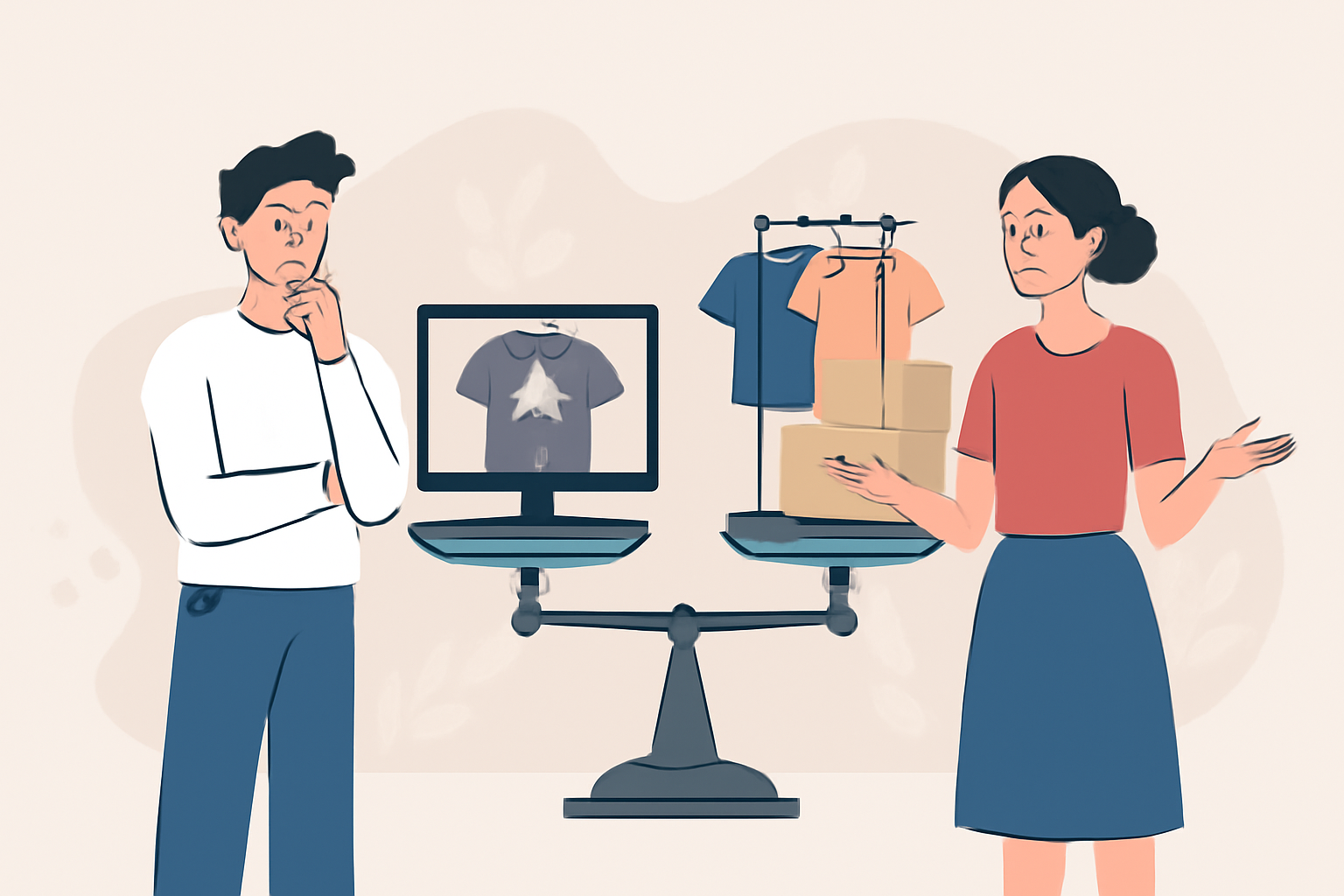
When it comes to selling products, two primary models dominate the landscape: print on demand and traditional retail. Understanding the differences between these options can help you make an informed decision about which method aligns best with your business goals.
This comparison will break down the key aspects of each model, highlighting their respective advantages and disadvantages. Whether you're a budding entrepreneur or an experienced seller, knowing these details can guide your next steps.
Table of Contents

Overview of Print on Demand
Print on demand (POD) is a business model that allows sellers to customize products with their designs and only produce them after a customer places an order. This model is particularly popular for items like apparel, accessories, and home decor. Unlike traditional retail, where inventory is purchased upfront and stored, POD eliminates the need for significant upfront investment and inventory management. Unlocking Profitable Print on Demand Niche Ideas for Your Business.
Advantages of Print on Demand
- Low initial investment: No need to purchase inventory upfront, which significantly reduces financial risk. Sellers can start with minimal capital, making it accessible for entrepreneurs.
- Flexibility: Easily test new designs without significant financial risk. You can launch multiple products and see what resonates with your audience without being stuck with unsold inventory.
- Scalability: As demand grows, production can increase without the need for additional storage. This allows sellers to focus on marketing and design rather than logistics and warehousing.
- Diverse product range: With POD, you can offer a wide variety of products, from t-shirts and mugs to phone cases and wall art, all customized to your brand's style.
- Global reach: Since products are printed and shipped from various locations, you can easily sell to customers around the world without worrying about international shipping logistics.
Disadvantages of Print on Demand
- Lower profit margins: Production costs can be higher on a per-item basis due to the nature of on-demand printing. It's crucial to price your products carefully to maintain profitability.
- Longer fulfillment times: Products are made after orders are placed, which can delay delivery. Customers may expect faster shipping, so managing their expectations is vital.
- Less control over quality: Relying on third-party suppliers can lead to inconsistencies in product quality. It's important to choose reputable POD partners and order samples to ensure quality standards are met.
- Limited customization: While you can create unique designs, the range of products and printing methods may be limited compared to traditional manufacturing processes.
- Potential for stock issues: If a supplier runs out of a particular product, it can lead to delays and cancellations, impacting customer satisfaction. Regularly check your suppliers' inventory to avoid surprises.
Steps to Start a Print on Demand Business
- Research your niche: Identify a target market and understand their preferences. Look for gaps in the market that you can fill with your designs.
- Select a POD platform: Choose a reliable POD service that aligns with your product offerings and business goals. Popular options include Printful, Teespring, and Redbubble.
- Create your designs: Develop unique and appealing designs that cater to your audience's interests. Consider using design tools like Canva or Adobe Illustrator.
- Set up your online store: Choose an e-commerce platform (like Shopify or Etsy) to host your store. Ensure your branding is consistent across all channels.
- Market your products: Utilize social media, email marketing, and paid ads to promote your products. Engage with your audience and build a community around your brand.
- Monitor performance: Analyze sales data and customer feedback to refine your product offerings and marketing strategies. Be prepared to pivot based on what works and what doesn't.
Common Mistakes to Avoid
- Neglecting quality control: Always order samples before selling to ensure product quality. Customers expect high-quality items, and poor quality can damage your brand's reputation.
- Ignoring customer service: Provide excellent customer service to build loyalty and trust. Respond to inquiries promptly and handle any issues professionally.
- Underestimating shipping times: Be transparent about shipping times and set realistic expectations for your customers. Consider offering tracking options to enhance customer experience.
- Failing to market effectively: Don't assume customers will find your store on their own. Invest time and resources in marketing to reach your target audience.
- Overlooking analytics: Regularly review your sales data to identify trends and adjust your strategies accordingly. Ignoring analytics can lead to missed opportunities for growth.
Overview of Traditional Retail
Traditional retail involves purchasing inventory in bulk and selling it directly to consumers through physical stores or e-commerce platforms. This model has been the go-to method for many businesses for decades. It requires a clear understanding of market demand, supply chain logistics, and customer preferences to succeed. addressing seller frustrations.
Advantages of Traditional Retail
- Immediate availability: Products are ready for sale, allowing for faster fulfillment. This means that customers can walk into a store and purchase items on the spot, which can lead to higher sales volumes.
- Control over inventory: Sellers can handpick their inventory, ensuring quality and selection. This allows for better alignment with customer preferences and local trends, enabling retailers to curate a unique shopping experience.
- Potentially higher profit margins: Buying in bulk often reduces per-item costs. For example, a retailer might purchase 100 units of a popular product at a discounted rate, allowing them to sell at a competitive price while maintaining a healthy profit margin.
Disadvantages of Traditional Retail
- High upfront costs: Significant investment is required to purchase inventory. Retailers often need to allocate a large portion of their budget to stock their shelves, which can be risky if products do not sell as expected.
- Risk of unsold stock: Unsold items can lead to losses and increased storage costs. Retailers must carefully forecast demand to avoid overstocking, which can tie up capital and lead to markdowns to clear inventory.
- Less flexibility: Difficult to pivot or test new products without financial risk. Introducing a new product line often requires extensive market research and commitment to inventory, making it challenging for retailers to adapt quickly to changing trends.
Key Considerations for Traditional Retail
When considering a traditional retail model, it's important to take into account several key factors:
- Market Research: Conduct thorough research to understand your target audience and their buying behaviors. This can include surveys, focus groups, and analyzing competitors.
- Location: For physical stores, the location can significantly impact foot traffic and sales. Consider factors like visibility, accessibility, and proximity to competitors.
- Supplier Relationships: Building strong relationships with suppliers can lead to better pricing, exclusive products, and more favorable payment terms.
- Marketing Strategies: Develop effective marketing strategies to attract customers. This could include social media marketing, local advertising, and promotions to drive traffic to your store.
Common Mistakes to Avoid in Traditional Retail
Even seasoned retailers can fall into traps that hinder success. Here are some common mistakes to avoid:
- Ignoring Customer Feedback: Not listening to customer feedback can lead to poor product selection and missed opportunities for improvement.
- Overstocking: Failing to accurately predict demand can result in excess inventory that must be discounted or written off.
- Neglecting Online Presence: In today's digital age, overlooking e-commerce capabilities can limit sales potential. Many consumers prefer shopping online, so having an online platform is crucial.
- Underestimating Operating Costs: New retailers often underestimate ongoing costs like rent, utilities, and staffing, which can quickly eat into profits.
Conclusion
Traditional retail offers a tried-and-true approach to selling products, with its own set of advantages and challenges. By understanding the landscape and preparing strategically, retailers can position themselves for success in a competitive market.
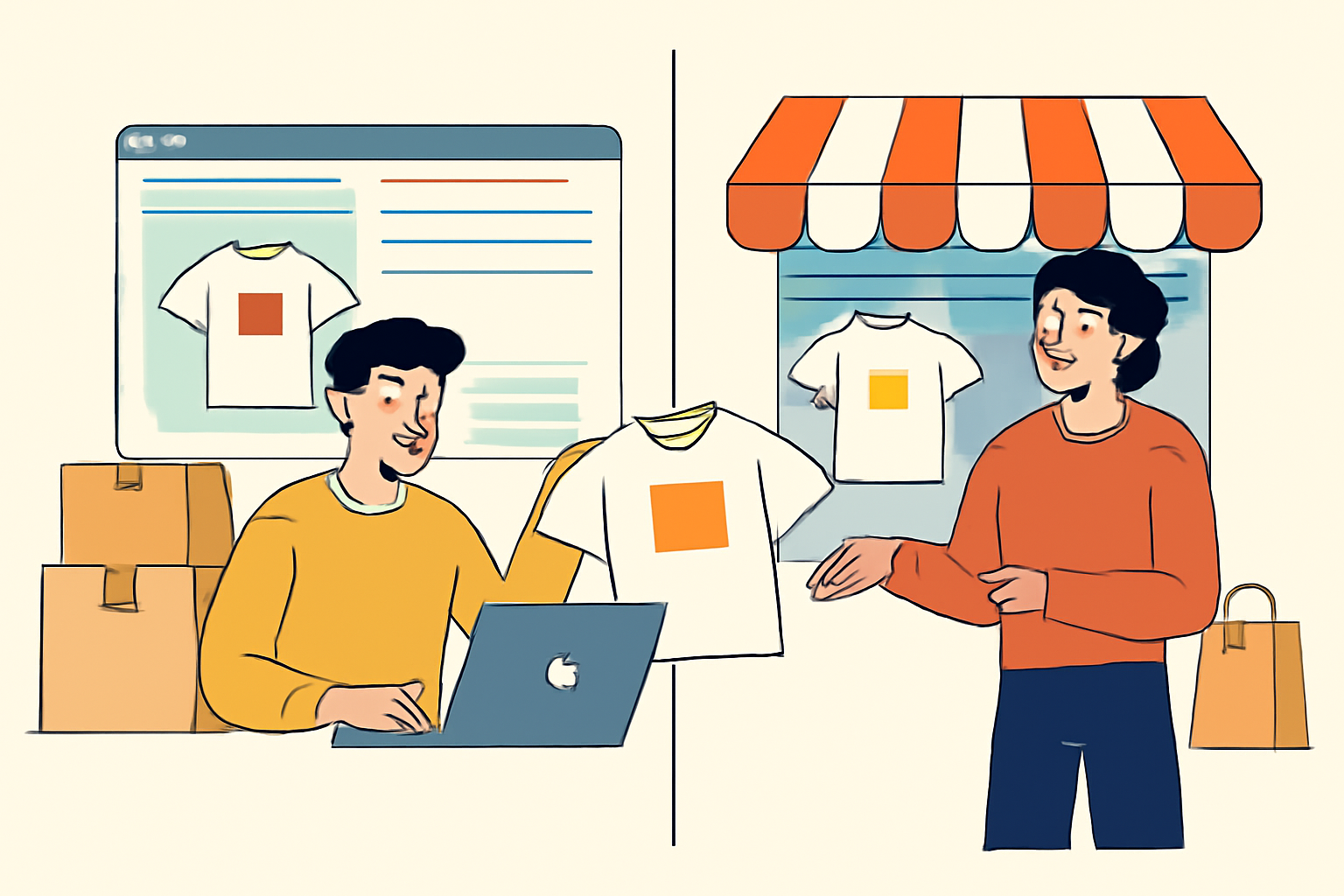
Comparison Table
| Feature | Print on Demand | Traditional Retail |
|---|---|---|
| Initial Investment | Low | High |
| Inventory Management | No inventory required | Bulk inventory needed |
| Fulfillment Speed | Slower | Faster |
| Profit Margins | Generally lower | Generally higher |
| Quality Control | Less control | More control |
Initial Investment
Print on Demand (POD) requires minimal upfront costs. You can start with just a website and a design tool, making it accessible for beginners. In contrast, traditional retail often demands a significant investment in inventory, storefronts, and operational costs. Here's a quick checklist to understand the costs involved in both:
- Print on Demand:
- Website hosting fees
- Design software (e.g., Canva, Adobe)
- Marketing costs
- Traditional Retail:
- Rent for physical location
- Bulk inventory purchase
- Employee wages and training
- Utilities and maintenance costs
Inventory Management
With Print on Demand, you can say goodbye to the headaches of managing stock levels. There's no need to worry about unsold inventory, as products are created only when ordered. For traditional retail, however, managing inventory can be a full-time job. Here are some common pitfalls to avoid:
- Overstocking: This can lead to waste and markdowns.
- Understocking: This results in missed sales opportunities.
- Neglecting inventory turnover rates: Regularly assessing how quickly products sell can help you make informed decisions.
Fulfillment Speed
While POD offers a unique range of customizable products, the fulfillment speed can be slower due to the on-demand nature of the business. Typically, it can take several days to produce and ship an item. Traditional retail, however, benefits from existing stock, allowing for immediate purchase and fulfillment. To manage customer expectations in POD, consider these strategies:
- Clearly communicate estimated delivery times on your website.
- Offer expedited shipping options when possible.
- Provide regular updates on order status to customers.
Profit Margins
While POD can be a low-risk entry into e-commerce, the profit margins are often narrower. This is due to the per-item production costs associated with POD services. Traditional retail can yield higher margins since products are purchased in bulk at a lower cost per unit. Consider the following when evaluating profit margins:
- Calculate total costs, including production, shipping, and marketing.
- Regularly review pricing strategies to ensure competitiveness.
- Experiment with product pricing based on demand and competition.
Quality Control
Quality control can be a significant concern for POD sellers because the printing process is handled by third-party providers. You may have limited oversight regarding the final product quality. In contrast, traditional retailers can inspect products before they hit the shelves. To ensure quality in POD, take these steps:
- Order samples of your products to evaluate quality.
- Read reviews and research your POD provider's reputation.
- Establish clear quality expectations and guidelines with your provider.
Which Option Fits You?
Choosing between print on demand and traditional retail depends on your business model, target audience identification, and personal preferences. Here are some scenarios to consider:
Scenario 1: You're Just Starting Out
If you're new to selling and want to minimize risk, print on demand is likely your best bet. You can test designs and learn about your market without a hefty investment.
Scenario 2: You Have a Solid Following
If you already have a loyal customer base and know what they want, traditional retail could be a good option. You can offer a curated selection and benefit from higher profit margins.
Scenario 3: You Want to Experiment with Designs
For sellers who enjoy creativity and want to offer unique items or limited editions, print on demand allows for greater experimentation without the fear of leftover stock.
Scenario 4: You're Focused on Speed and Quality
If fast shipping and quality control are your top priorities, traditional retail may be more suitable. You have direct oversight and can ensure a consistent customer experience.
Addressing Seller Frustrations
Both models come with their own set of challenges. Print on demand sellers often face frustrations related to fulfillment times and quality control, while traditional retail sellers may struggle with unsold inventory and the costs associated with it. Understanding these common pain points can help you navigate them effectively.
Print on Demand Seller Challenges
Print on demand (POD) sellers encounter specific hurdles that can impact their business operations. Here are some of the most common frustrations:
1. Fulfillment Times
One of the primary concerns for POD sellers is the time it takes for products to be fulfilled and shipped. Unlike traditional retail, where products are readily available, POD relies on a production process that can lead to longer wait times.
- Solution: Clearly communicate expected shipping times on your website. This transparency can help manage customer expectations and reduce dissatisfaction.
- Tip: Consider partnering with suppliers that offer expedited shipping options or have warehouses located closer to your target market.
2. Quality Control
Quality can vary significantly between different POD providers. A product that looks fantastic on screen may not always translate well in real life.
- Solution: Order samples of your products before listing them for sale. This allows you to assess the quality and make necessary adjustments.
- Checklist: Create a quality checklist that includes aspects such as print clarity, material feel, and overall finish to ensure consistency.
3. Limited Customization Options
While POD offers some level of customization, it may not be as extensive as what traditional retail can provide. Sellers may find themselves limited in terms of product variations.
- Solution: Research and choose POD suppliers that offer a diverse range of products and customization options to enhance your offerings.
- Example: If you sell apparel, look for suppliers that allow different styles, colors, and sizes to cater to a broader audience.
Traditional Retail Seller Challenges
On the flip side, traditional retail sellers face their own set of frustrations that can hinder their success:
1. Unsold Inventory
One of the biggest drawbacks of traditional retail is the risk of unsold inventory. Products that don't sell can lead to significant financial losses.
- Solution: Implement inventory management strategies that include regular sales promotions or discounts to clear out slow-moving items.
- Tip: Use data analytics to forecast demand and adjust your inventory orders accordingly to minimize excess stock.
2. High Overhead Costs
Traditional retail involves various overhead costs, including rent, utilities, and staff wages. These expenses can quickly add up and eat into profits.
- Solution: Explore ways to reduce costs, such as negotiating better lease terms or utilizing part-time staff during peak seasons.
- Checklist: Regularly review your expenses and identify areas where you can cut costs without compromising service quality.
3. Limited Flexibility
Traditional retail can be less agile compared to POD. Adjusting product lines or responding to market trends may take longer due to the physical inventory constraints.
- Solution: Stay informed about market trends and consumer preferences. This can help you pivot your product offerings more quickly.
- Example: If a particular product is trending, consider running a limited-time promotion to capitalize on the interest before it wanes.
Common Mistakes to Avoid
Regardless of the model you choose, being aware of common pitfalls can save you time and frustration:
- Neglecting Customer Feedback: Always listen to your customers. Their feedback can provide valuable insights into product quality and fulfillment issues.
- Underestimating Marketing: Both POD and traditional retail require effective marketing strategies. Don't forget to allocate resources for advertising and promotions.
- Ignoring Financial Planning: Proper financial management is crucial. Keep track of your expenses, revenue, and profits to ensure long-term sustainability.
By understanding and addressing these frustrations, sellers in both print on demand and traditional retail can create strategies that enhance their business operations and improve customer satisfaction. Whether you choose POD or traditional retail, being proactive in tackling these challenges will set you up for success.
Conclusion
Deciding between print on demand and traditional retail involves weighing the benefits and trade-offs of each model. By assessing your business goals and the scenarios presented, you can make a more informed choice. Take the time to reflect on what fits your style best and consider leveraging Print On Demand Coach insights to further explore your options!
Key Takeaways
- Flexibility: Print on demand offers unmatched flexibility in product offerings and inventory management, allowing you to easily adapt to market trends.
- Cost Management: With traditional retail, upfront costs can be significant, whereas print on demand minimizes financial risk by allowing you to pay for products only after they're sold.
- Time Commitment: Assess how much time you can dedicate to your business. Print on demand can be less time-intensive, especially when you automate processes.
- Market Reach: Consider your target audience. Print on demand can reach a global market without the need for physical storefronts, which is a major advantage over traditional retail.
Steps to Make Your Decision
- Identify Your Goals: Write down what you want to achieve with your business. Are you looking for quick sales, or are you interested in building a brand over time?
- Analyze Your Resources: Assess your budget, time, and skills. Do you have the capital for traditional retail, or would a print on demand model suit your current situation better?
- Research Your Market: Investigate your target audience's preferences. Are they more inclined to purchase unique, custom items (print on demand) or are they looking for established brands (traditional retail)?
- Test the Waters: If unsure, consider starting with print on demand to gauge interest before committing to a larger investment in traditional retail. You can always pivot later.
- Seek Guidance: Utilize resources like Print On Demand Coach for tips, strategies, and insights that can help streamline your decision-making process.
Common Mistakes to Avoid
- Ignoring Market Trends: Failing to stay updated on market trends can lead to poor product choices. Regularly research what's popular and adapt your offerings accordingly.
- Underestimating Costs: While print on demand reduces upfront costs, be aware of fees associated with production and shipping. Traditional retail also has hidden costs like rent and utilities.
- Neglecting Marketing: No matter which model you choose, neglecting to market your products can lead to disappointing sales. Develop a marketing plan that aligns with your chosen model.
- Overcomplicating Operations: Especially with print on demand, it's easy to get lost in product variations. Keep your offerings manageable to avoid overwhelm.
Final Thoughts
Ultimately, whether you choose print on demand or traditional retail, the key is to stay true to your vision and adapt as needed. Both models have their unique advantages and challenges, but with careful planning and execution, you can find success in either path. Remember, the journey of entrepreneurship is a marathon, not a sprint. Take your time to evaluate your options, and don't hesitate to seek help from communities and resources that can support your growth.
Enjoying This Article? Join The Free POD Community. Connect with other print-on-demand sellers, ask questions, and keep learning inside the Print On Demand Coach community.
Learn More