
Getting Started on Etsy Print on Demand When You're a Complete Beginner

Entering the world of print on demand can feel overwhelming, especially if you're starting from scratch. If you've decided to jump into selling on Etsy but are unsure where to begin, you're not alone. Many beginners find themselves lost in a sea of options, wondering how to effectively set up shop and attract customers.
This guide is tailored for those who want to understand the steps necessary to establish a successful Etsy print on demand business. With practical advice and a step-by-step plan, you'll be well on your way to creating your own unique store filled with custom products.
Table of Contents

If This Is You...
You're a beginner looking to sell print on demand products on Etsy. You may have experience with selling online but are new to the print on demand model. You need clear instructions on how to create, set up, and promote your Etsy shop effectively. If this sounds like you, you're in the right place! A Comprehensive Guide to Etsy Print on Demand.
Starting your journey in the print on demand (POD) world can be both exciting and overwhelming. You might be asking yourself questions like, "Where do I start?" or "What products should I sell?" This section is designed to guide you through the essential steps and considerations to ensure your Etsy shop is set up for success. boosting print on demand.
Let's break down the process into manageable steps, along with tips and common pitfalls to avoid, so you can hit the ground running!
Step 1: Research Your Niche
Before diving into product creation, it's crucial to identify your niche. A well-defined niche helps you target the right audience and reduces competition. Here's how to effectively research your niche:
- Explore Etsy: Spend time browsing Etsy to see what types of print on demand products are popular. Look for trends, customer reviews, and best-sellers in your area of interest.
- Use Keyword Tools: Tools like EtsyRank or Marmalead can help you identify popular keywords related to your niche. This data can guide your product development and SEO strategy.
- Check Social Media: Platforms like Instagram and Pinterest can provide insights into trending designs and products. Follow influencers in your niche for inspiration.
Step 2: Choose Your Products
Once you have a clear understanding of your niche, it's time to select the products you want to offer. Here are some popular POD items to consider:
- T-shirts and apparel
- Home decor items like pillows and wall art
- Stationery products such as notebooks and greeting cards
- Accessories like tote bags and phone cases
When choosing products, consider the following:
- Quality Matters: Research suppliers that provide high-quality materials. A poor-quality product can lead to negative reviews and returns.
- Customization Options: Offering customizable products can attract more buyers. Think about how you can allow customers to personalize their purchases.
Step 3: Set Up Your Etsy Shop
Now that you have your niche and products in mind, it's time to set up your Etsy shop. Follow these steps:
- Create an Etsy Account: If you don't already have an Etsy account, sign up. Choose a shop name that reflects your brand and is easy to remember.
- Complete Your Profile: Fill out your shop profile with a compelling bio. This is your chance to connect with potential customers and share your story.
- List Your Products: When creating product listings, make sure to include high-quality images, detailed descriptions, and relevant tags. This helps with discoverability on Etsy.
- Set Your Pricing: Consider your costs, including production, shipping, and Etsy fees, when setting prices. Make sure they reflect the value of your products while remaining competitive.
Step 4: Promote Your Shop
Promotion is key to driving traffic to your Etsy shop. Here are some effective strategies:
- Social Media Marketing: Leverage platforms like Instagram, Facebook, and Pinterest to showcase your products. Create engaging content that resonates with your target audience.
- Email Marketing: Build an email list and send newsletters to keep your audience updated on new products and promotions.
- Collaborations: Partner with influencers or other Etsy sellers to reach a broader audience. Consider offering them free products in exchange for promotion.
Common Mistakes to Avoid
As you embark on your Etsy POD journey, be mindful of these common mistakes:
- Neglecting SEO: Failing to optimize your listings for search engines can limit your visibility. Use relevant keywords in your titles and descriptions.
- Ignoring Customer Service: Providing excellent customer service is crucial. Respond promptly to inquiries and resolve issues quickly to maintain a positive reputation.
- Overextending Yourself: Start with a manageable number of products. It's better to have a few high-quality listings than to overwhelm yourself with too many options.
By following these steps and keeping these tips in mind, you'll be well on your way to establishing a successful print on demand shop on Etsy. Remember, persistence is key, and with continuous learning and adaptation, you can thrive in the POD marketplace!
Step 1: Understand the Print on Demand Model
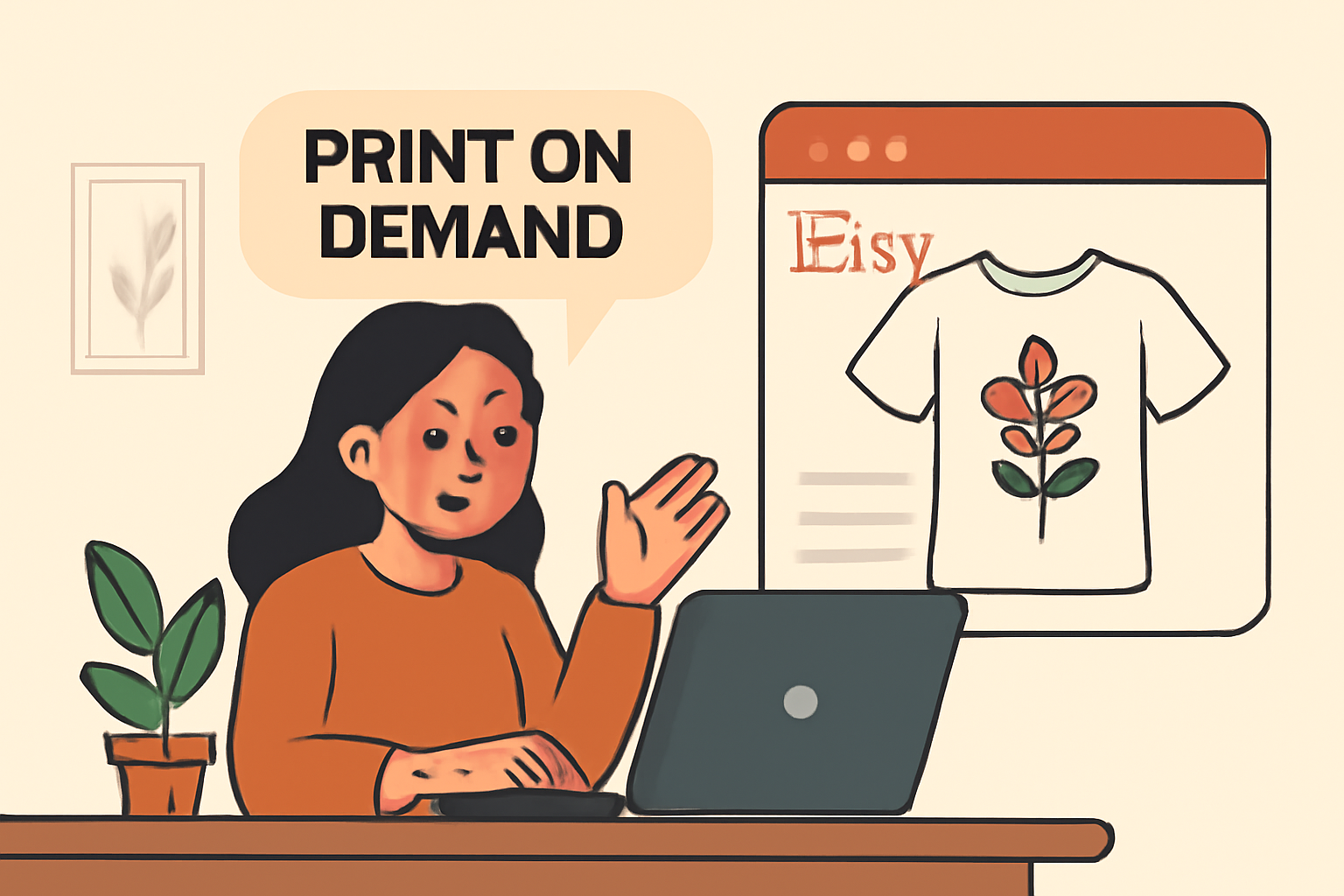
Before diving into the specifics of setting up your Etsy shop, it's important to grasp what print on demand entails. This business model allows you to sell custom designs on various products without holding inventory. When a customer places an order, the product is printed and shipped directly to them.
Understanding how this works will help you make better decisions about your product offerings and marketing strategies.
Step 2: Setting Up Your Etsy Account
Create Your Etsy Account
To start selling on Etsy, you need to create an account. Go to the Etsy website and follow the prompts to set up your shop. Choose a shop name that reflects your brand and products. Make sure it's catchy and easy to remember!
Understanding Etsy Custom Product Listings
Once your account is set up, you'll need to create custom product listings. This is where you showcase your designs. Take high-quality images and write detailed descriptions. Be clear about the customization options available. Customers love to know exactly what they're getting!
Step 3: Choosing Your Print on Demand Partner
Your choice of print on demand partner is crucial. Look for a service that integrates seamlessly with Etsy and offers quality products. Popular options include Printful, Printify, and Gooten. Compare their pricing, product range, and fulfillment times to find the best fit for your needs.
When selecting a print on demand partner, consider the following aspects in detail:
1. Integration with Etsy
Ensure that the print on demand service you choose can easily integrate with your Etsy shop. This means that the process of listing products, managing inventory, and fulfilling orders should be straightforward. Look for services that offer plugins or direct integrations to minimize manual work. A smooth integration can save you time and reduce the risk of errors in order processing.
2. Product Quality
Quality matters when selling print on demand products. Order samples from potential partners to evaluate the quality of their prints, materials, and overall product finish. Check for:
- Print Quality: Ensure designs are vibrant and clear.
- Material Quality: Check if the fabric, paper, or other materials feel good and are durable.
- Consistency: Make sure that products maintain the same quality across different orders.
3. Pricing Structure
Understanding the pricing model is essential for maintaining your profit margins. Look for:
- Base Prices: Compare the base prices of the products you intend to sell.
- Shipping Costs: Factor in shipping fees, as these can vary significantly between providers.
- Discounts: Some partners offer volume discounts or special pricing for certain products, which can be beneficial as you scale.
4. Product Range
Evaluate the variety of products offered by each print on demand partner. A broader product range allows you to diversify your offerings and cater to different customer preferences. Consider:
- Types of Products: Ensure they have the items you want to sell, such as t-shirts, mugs, or wall art.
- Customization Options: Look for partners that allow for various customization options, such as colors, sizes, and materials.
5. Fulfillment Times
Shipping speed can significantly impact customer satisfaction. Research the average fulfillment times for each partner, as this can vary widely. Look for:
- Production Time: How long does it take for an item to be produced after an order is placed?
- Shipping Times: Consider the estimated shipping times to your target market. Fast shipping can lead to better reviews and repeat customers.
6. Customer Support
Reliable customer support can make a big difference when issues arise. Check for:
- Availability: Is support available via chat, email, or phone? Consider the hours of operation.
- Response Time: Look for reviews regarding how quickly they respond to inquiries.
- Resources: Some partners offer extensive resources, such as FAQs, video tutorials, and community forums, which can be helpful.
7. Common Mistakes to Avoid
When choosing a print on demand partner, avoid these common pitfalls:
- Not Ordering Samples: Failing to order samples can lead to disappointment when the actual product quality doesn't meet your expectations.
- Ignoring Shipping Costs: Underestimating shipping costs can eat into your profits. Always calculate total costs before setting prices.
- Rushing the Decision: Take your time to research and compare options. A hasty decision can lead to long-term issues.
By carefully considering these factors, you'll be better equipped to choose a print on demand partner that not only meets your needs but also supports your business growth. Remember, the right partner can make all the difference in your Etsy print on demand journey!
Step 4: Designing Your Products
Creating Unique Designs
Your designs are what will set you apart from the competition. Use design tools like Canva or Adobe Illustrator, or hire a designer if you need help. Aim for designs that resonate with your target audience and reflect current trends.
Shopify Personalized Products
If you're expanding beyond Etsy, consider setting up a Shopify print on demand store as well. This gives you more control over branding and customer experience. You can link your Etsy shop with your Shopify store for seamless management.
Step 5: Marketing Your Etsy Shop
Utilizing Social Media
Social media is a powerful tool for promoting your Etsy shop. Utilize platforms like Instagram, Pinterest, and Facebook to showcase your products. Post engaging content, share your design process, and connect with potential customers.
Overcoming Selling Difficulties
Be prepared for challenges like customer management hurdles and handling inquiries. It's essential to maintain good communication with your customers and address their concerns promptly. This builds trust and encourages repeat business.
Step 6: Managing Your Shop
Once your shop is live, you'll need to manage it actively. Monitor your sales, respond to customer messages, and keep your listings up to date. Regularly assess your performance and adjust your strategies accordingly.
Monitoring Sales and Performance
Tracking your sales is crucial for understanding what works and what doesn't. Here's how to do it effectively:
- Use Etsy's Shop Stats: Etsy provides an analytics dashboard where you can see how many views and favorites your listings receive, as well as your total sales. Check this regularly to identify trends.
- Set Sales Goals: Determine monthly or quarterly sales goals based on your past performance and what you want to achieve. This gives you a target to aim for and helps motivate you.
- Evaluate Bestsellers: Identify which products are selling the best. Consider creating more designs or variations based on these popular items.
Responding to Customer Messages
Customer service can make or break your shop's reputation. Here are some tips for managing customer communications:
- Timely Responses: Aim to respond to customer inquiries within 24 hours. Quick responses can lead to higher conversion rates.
- Be Polite and Professional: Always maintain a friendly tone, even if the customer is upset. A calm and professional demeanor can diffuse many situations.
- FAQs Section: Consider creating a Frequently Asked Questions section in your shop to address common queries. This can save you time and improve customer satisfaction.
Keeping Your Listings Updated
Regularly refreshing your listings can help keep your shop relevant and engaging. Here's how:
- Update Photos: If you have new product images or if your current photos are outdated, replace them. High-quality, eye-catching images can significantly impact sales.
- Revise Descriptions: As you learn more about your customers, adjust your product descriptions to better meet their needs. Use keywords that resonate with your target audience.
- Seasonal Promotions: Update your shop for holidays or special events. Create themed products or offer discounts to attract customers during peak shopping times.
Assessing Your Strategies
Regularly reviewing your shop's performance is essential for growth. Here are steps to effectively assess and adjust your strategies:
- Monthly Review: Set a specific date each month to review your shop's performance. Look at sales numbers, customer feedback, and traffic sources.
- Gather Feedback: Encourage customers to leave reviews and feedback. This information can provide insights into areas for improvement.
- Experiment with Advertising: Consider using Etsy Ads or social media advertising to promote your listings. Track the performance of these ads to see if they increase your visibility and sales.
- Adjust Pricing: If certain items aren't selling, consider adjusting your prices. Sometimes a small change can make a big difference in attracting buyers.
By actively managing your Etsy shop, you can create a thriving business. Stay engaged with your customers, keep your listings fresh, and continually assess your performance to ensure long-term success in the print-on-demand market.
Step 7: Evaluate and Adapt
As you gain experience, evaluate what's working and what's not. Use Etsy's analytics tools to track your shop's performance. This insight will help you refine your offerings, improve your marketing strategies, and ultimately boost your sales.
Utilizing Etsy Analytics
Etsy provides a robust set of analytics tools that can offer valuable insights into your shop's performance. Here's how to effectively use these tools:
- Traffic Sources: Identify where your visitors are coming from. Are they finding you through Etsy search, social media, or direct links? Understanding this can help you focus your marketing efforts on the most effective channels.
- Conversion Rates: Monitor how many visitors are making purchases. If you have high traffic but low conversions, it may indicate that your product descriptions, images, or pricing need adjustments.
- Customer Behavior: Look at the items that are frequently viewed but not purchased. This can help you identify potential issues with those products, such as pricing or presentation.
Refining Your Offerings
Once you have a clear understanding of your shop's performance metrics, it's time to refine your offerings. Here are some practical steps:
- Product Variations: Experiment with different designs, colors, or styles based on customer feedback and sales data. For instance, if a particular design is popular, consider offering it on different products, like mugs or t-shirts.
- Seasonal Adjustments: Adapt your inventory based on seasonal trends. For example, if you notice an uptick in holiday-themed sales, plan ahead and create new designs or products in advance.
- Quality Control: Regularly assess the quality of your products. Ensure that your print-on-demand partner maintains high standards, as poor quality can lead to negative reviews and lost sales.
Improving Marketing Strategies
With data in hand, it's crucial to adapt your marketing strategies. Here's how you can enhance your approach:
- Social Media Engagement: If your analytics show that social media drives significant traffic, increase your efforts there. Create engaging posts, run contests, or collaborate with influencers to expand your reach.
- Email Marketing: Consider building an email list. Send newsletters featuring new products, special promotions, or exclusive discounts to encourage repeat purchases.
- SEO Optimization: Regularly revisit your product titles, tags, and descriptions. Use keywords that resonate with your target audience, and ensure they are relevant to current trends.
Common Mistakes to Avoid
As you evaluate and adapt your strategies, be mindful of common pitfalls:
- Ignoring Analytics: Many sellers overlook the importance of data. Make it a habit to review your analytics regularly and adjust your strategies accordingly.
- Sticking to What's Familiar: Don't be afraid to try new things. If a particular strategy isn't working, be willing to pivot and explore different approaches.
- Neglecting Customer Feedback: Listen to your customers. If they express concerns or suggestions, consider them seriously. Customer feedback can provide invaluable insights into how to improve your shop.
Setting Goals for Continuous Improvement
Lastly, set specific, measurable goals for your shop. These can be related to sales, customer engagement, or product launches. For example:
- Sales Targets: Aim for a specific increase in sales over a set period. Track your progress and adjust your strategies as needed.
- Customer Engagement: Set a goal for social media followers or email subscribers. Monitor how your marketing efforts contribute to this growth.
- Product Launches: Plan to introduce a certain number of new products each month or quarter. This keeps your shop fresh and can attract repeat customers.
By continually evaluating and adapting your strategies, you'll not only improve your shop's performance but also enhance your overall experience as a print-on-demand seller. Remember, the key to success lies in being responsive to your data and your customers' needs.
Conclusion: Take Action Today
Now that you have a roadmap to follow, it's time to take action! Start by setting up your Etsy account and exploring potential print on demand partners. Remember, the key to success in this business is persistence and a willingness to learn from your experiences. Embrace the process, and you'll be on your way to running a successful Etsy print on demand shop!
Step-by-Step Action Plan
To help you get started, here's a simple action plan you can follow:
- Create Your Etsy Account: Visit Etsy.com and sign up for a seller account. Fill in your shop name, which should be unique and reflect your brand.
- Choose Your Print on Demand Partner: Research various print on demand services. Popular options include Printful, Printify, and Gooten. Compare their product offerings, pricing, and shipping options to find the best fit for your shop.
- Design Your Products: Use graphic design software like Canva or Adobe Illustrator to create your designs. Ensure your designs are high-quality and meet the specifications of your chosen print on demand partner.
- List Your Products on Etsy: Create product listings with clear titles, detailed descriptions, and high-quality images. Use relevant keywords in your titles and descriptions to improve search visibility.
- Set Up Pricing: Calculate your costs, including production and shipping, and set your prices accordingly. Don't forget to factor in Etsy's fees when pricing your products.
- Launch Your Shop: Once you have at least 5-10 products listed, officially launch your Etsy shop. Promote it on social media platforms to attract your first customers.
- Monitor and Adjust: After launching, track your sales and customer feedback. Use this information to tweak your listings, improve your designs, and adjust your marketing strategies.
Common Mistakes to Avoid
While you're on this journey, here are some common pitfalls to watch out for:
- Neglecting Market Research: Failing to research what products are trending can lead to poor sales. Spend time exploring Etsy to see what's popular in your niche.
- Ignoring SEO: Not optimizing your product listings for search engines can limit your visibility. Use relevant keywords and tags to help potential customers find your products.
- Overlooking Customer Service: Providing excellent customer service is crucial. Respond promptly to inquiries and handle any issues or complaints professionally.
- Skipping Marketing Efforts: Relying solely on Etsy's traffic isn't enough. Utilize social media marketing, email newsletters, and collaborations with influencers to drive more traffic to your shop.
- Setting Unrealistic Expectations: Building a successful print on demand business takes time. Don't get discouraged by slow sales initially; persistence is key.
Keep Learning and Adapting
As you embark on your Etsy print on demand journey, remember that learning doesn't stop once you launch your shop. Stay updated on industry trends, new design techniques, and changes in Etsy's policies. Join online communities, attend webinars, and read blogs to continuously improve your skills and knowledge.
Ultimately, the success of your Etsy print on demand shop will depend on your commitment to learning and adapting. So, roll up your sleeves, take action, and enjoy the process of building your business!
Enjoying This Article? Join The Free POD Community. Connect with other print-on-demand sellers, ask questions, and keep learning inside the Print On Demand Coach community.
Learn More