
How to Choose the Right Niche for Your Online Coaching Business
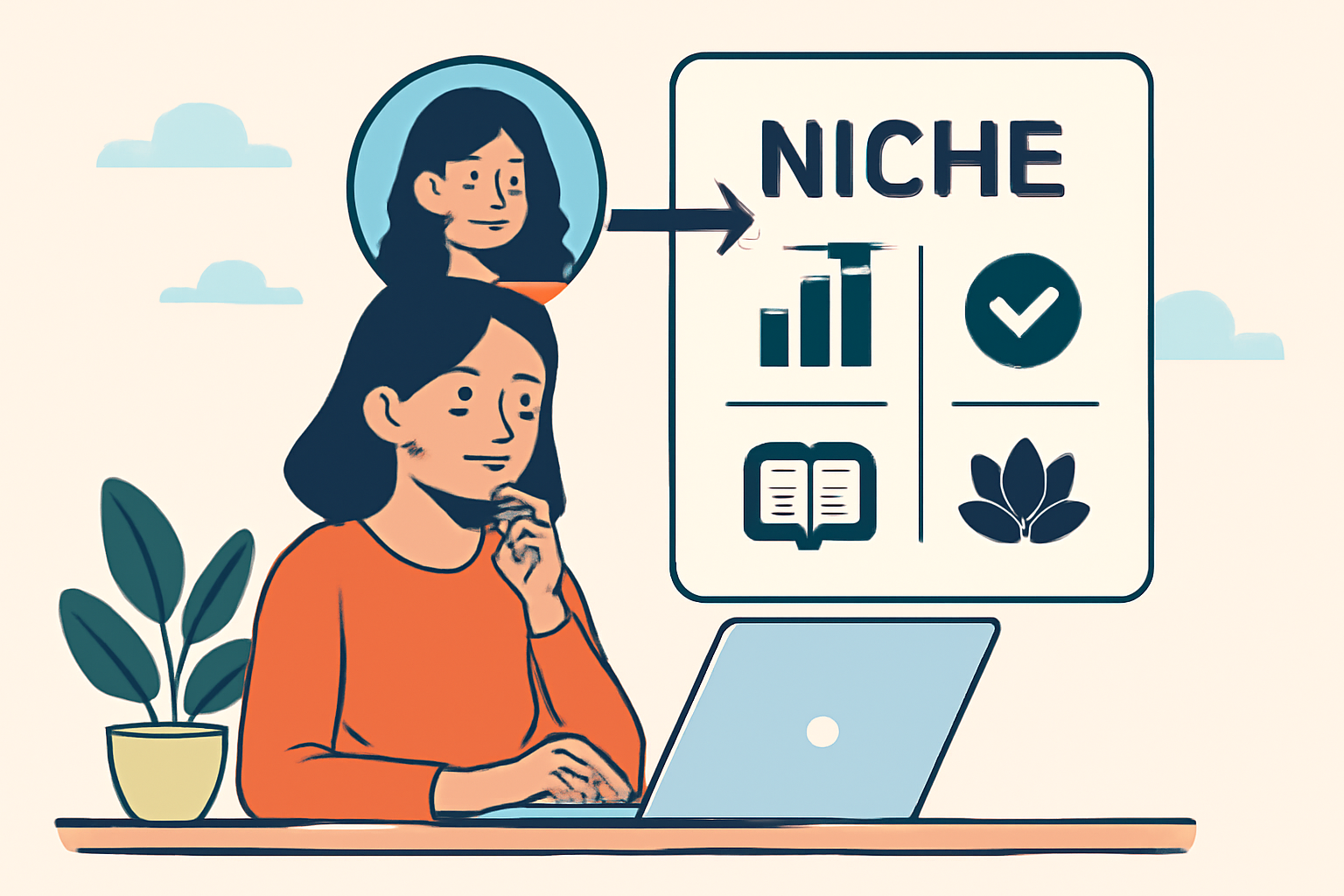
Choosing a niche for your online coaching business can feel like searching for a needle in a haystack. With countless options available, it's crucial to select a niche that aligns with your passion, expertise, and market demand. This decision will set the foundation for your coaching journey, impacting your brand, audience, and overall success. coaching for print on demand.
In this guide, we'll break down the essential factors to consider when choosing your niche, common pitfalls to avoid, and a handy decision checklist. Whether you're just starting or looking to pivot, we'll give you the tools to make an informed choice that leads to a thriving coaching practice.
Table of Contents

Who This is For
This guide is designed for aspiring coaches and those already in the coaching field who are contemplating a niche shift. If you're passionate about helping others but unsure where to focus your energy, this is the perfect resource to navigate your options and make a strategic decision. Comprehensive Guide to Making Money Online.
To get the most out of this guide, consider the following groups of individuals who will benefit from understanding how to choose a niche for online coaching: beginner coaching insights.
1. New Coaches
If you are just starting out in the coaching industry, you may feel overwhelmed by the sheer number of niches available. This guide will help you identify your strengths, interests, and market demand, allowing you to carve out a unique space for yourself. Start by reflecting on your personal experiences and expertise. Here's a checklist to help you get started:
- Write down your skills and knowledge areas.
- Identify your passions and what excites you about coaching.
- Research potential niches that align with your skills and passions.
- Consider your target audience and their needs.
By following these steps, you can create a focused coaching practice that resonates with both you and your clients.
2. Established Coaches Considering a Niche Shift
If you are already coaching but feel stagnant or unfulfilled, it may be time to reassess your niche. This guide can help you evaluate if a shift is necessary and how to approach it effectively. Here are some common mistakes to avoid during this process:
- Failing to conduct thorough market research before making a change.
- Not considering your existing client base and how they might react.
- Rushing the transition without a clear plan.
Take the time to analyze your current niche and determine if it still aligns with your goals and interests. Consider conducting surveys or interviews with your clients to gather feedback on their needs and preferences.
3. Coaches Seeking to Differentiate Themselves
In a crowded coaching market, standing out is essential. This guide will provide insights into how to identify a niche that not only fulfills your passion but also sets you apart from competitors. Consider these strategies:
- Analyze your competitors: What niches are they serving? What gaps can you fill?
- Leverage your unique experiences or background to create a distinct coaching style.
- Focus on a specific demographic or market segment that is underserved.
By implementing these strategies, you can establish a unique coaching identity that attracts clients and fosters loyalty.
4. Coaches Looking to Enhance Their Marketing Strategy
Choosing the right niche is not just about personal fulfillment; it's also a critical component of your marketing strategy. This guide will help you understand how to effectively communicate your niche to your audience. Here are some steps to follow:
- Define your ideal client: Create a detailed persona that includes demographics, challenges, and goals.
- Craft a compelling value proposition that clearly outlines what you offer and how it benefits your clients.
- Utilize social media platforms to connect with your target audience and share valuable content related to your niche.
By focusing on these marketing elements, you can effectively reach and engage your ideal clients, making your coaching practice more successful.
In summary, this guide is tailored for new coaches, established coaches considering a shift, those looking to differentiate themselves, and coaches aiming to enhance their marketing efforts. No matter where you are in your coaching journey, the insights provided here will empower you to make informed decisions about your niche and set you on a path to success.
What to Look For in a Niche
1. Passion and Expertise
Your niche should be something you are genuinely passionate about and knowledgeable in. This combination will not only make it easier for you to connect with your audience but will also enhance your credibility as a coach. To further explore this aspect, ask yourself:
- What topics do I frequently read about or engage with?
- What skills or experiences do I have that others often seek advice on?
- What activities make me lose track of time because I enjoy them so much?
Once you identify your passions, consider creating a list of your top three to five areas of expertise. This will help narrow your focus and allow you to dive deeper into each potential niche.
2. Market Demand
Research the demand for your potential niche. Look for trends, gaps in the market, and the needs of your target audience. Tools like Google Trends and social media insights can provide valuable data to help identify what people are searching for in the coaching realm. Here's how to conduct effective market research:
- Keyword Research: Use tools like Ubersuggest or Ahrefs to find keywords related to your niche. Look for keywords with high search volume and low competition.
- Surveys and Polls: Conduct surveys within your network or on social media to gather insights about what potential clients are struggling with.
- Engage on Forums: Join forums or groups related to your niche (like Reddit or Facebook groups) and observe the discussions. What questions are frequently asked? What problems are people facing?
By collecting this data, you can validate your niche choice and ensure there's a demand for your coaching services.
3. Profitability
Consider the earning potential within your chosen niche. Some coaching niches are more lucrative than others, so it's important to assess whether your niche can sustain your business financially. Look into what other coaches in that niche are charging and what clients are willing to pay. Here's a simple checklist to evaluate profitability:
- Research average coaching rates in your niche. Are they hourly, package-based, or subscription models?
- Identify potential upsell opportunities such as workshops, e-books, or online courses.
- Consider your target audience's budget. Are they likely to invest in coaching services?
Understanding these factors will help you set competitive pricing and create a sustainable business model.
4. Competition Analysis
Evaluate the competition within your niche. A saturated market may require more effort to stand out, while a niche with very few coaches might indicate a lack of demand. Strike a balance to find a niche that has enough room for you to shine. To analyze competition effectively, follow these steps:
- Identify Key Competitors: Search for coaches in your niche on platforms like LinkedIn, Instagram, or coaching directories. Make a list of at least five competitors.
- Analyze Their Offerings: What services do they provide? What are their unique selling propositions (USPs)?
- Read Reviews: Look at client testimonials and reviews to understand what clients appreciate and what they feel is lacking.
This analysis will not only help you identify gaps in the market but also inspire you to differentiate your coaching style and offerings.
5. Target Audience
Define your target audience clearly. Understanding who your ideal clients are will help tailor your services and marketing strategies effectively. Consider demographics, pain points, and the specific solutions you can offer to meet their needs. Here are some practical steps to define your target audience:
- Create Client Personas: Develop detailed profiles of your ideal clients, including age, gender, income level, education, and interests.
- Identify Pain Points: What challenges do your potential clients face? How can your coaching help solve these issues?
- Segment Your Audience: Consider dividing your audience into segments based on their specific needs or characteristics. This allows for more personalized marketing strategies.
By having a clear understanding of your target audience, you can craft more effective messaging and attract the right clients to your coaching practice.

Common Pitfalls to Avoid
1. Choosing a Niche Based Solely on Trends
While it's important to be aware of market trends, selecting a niche purely because it's popular can backfire. Trends change, and if your heart isn't in it, you may struggle to maintain motivation. To avoid this pitfall, take the following steps:
- Research Trends Carefully: Identify trends that resonate with your interests and expertise. Use tools like Google Trends or social media analytics to gauge longevity rather than just popularity.
- Assess Personal Interest: Ask yourself if you can see yourself working in this niche for the long term. Create a pros and cons list to evaluate your genuine interest versus trend-based appeal.
- Test the Waters: Before fully committing, consider offering a free workshop or creating content related to the niche. Gauge the response and your enthusiasm before diving in.
Common mistakes include jumping on the latest social media craze without considering if it aligns with your values or expertise. Remember, a sustainable niche is one that you can continuously engage with, even when the trend fades.
2. Overcomplicating Your Niche
A common mistake is trying to appeal to everyone by having a broad niche. Instead, focus on being specific, as this will allow you to attract a more targeted audience and establish yourself as an expert. Here's how to simplify your niche effectively:
- Define Your Audience: Create an ideal client profile. Consider demographics, interests, and pain points. This will help you narrow down your niche to a specific group.
- Use the 80/20 Rule: Focus on the 20% of your niche that will yield 80% of your results. Identify which aspects of your niche are most profitable and concentrate your efforts there.
- Test Different Angles: If you're unsure about your niche's focus, experiment with different sub-niches. Offer varied services or content to see what resonates best with your audience.
Avoid the trap of thinking you need to cover every aspect of a broad topic. This can dilute your message and confuse potential clients. Instead, embrace the power of specificity to create a clear and compelling offer.
3. Ignoring Your Strengths
Sometimes, coaches overlook their own strengths and experiences when selecting a niche. Reflect on your personal journey and how it can inform your coaching practice. Your unique perspective can be your biggest asset. To leverage your strengths, consider the following:
- Conduct a SWOT Analysis: Identify your Strengths, Weaknesses, Opportunities, and Threats related to your potential niche. This structured approach can clarify where you excel and how to position yourself.
- Seek Feedback: Talk to friends, family, or colleagues about what they see as your strengths. Sometimes, an outside perspective can reveal insights you might overlook.
- Align Your Niche with Your Story: Think about your life experiences, challenges you've overcome, and lessons learned. These narratives can resonate with clients and enhance your authenticity.
Common mistakes include choosing a niche that feels safe but doesn't excite you, or one that doesn't utilize your unique skills. Embrace your individuality and let it shine through your coaching practice. Your strengths can set you apart in a crowded market.
Decision Checklist for Choosing Your Niche
- Have I researched the market demand for this niche?
- Utilize tools like Google Trends to analyze search volume over time. Look for spikes that indicate growing interest.
- Check forums and social media platforms to see what questions people are asking about your niche. This can give you insight into pain points and interests.
- Conduct surveys or polls to gather direct feedback from potential clients about their needs and interests.
- Does this niche align with my passions and expertise?
- List your skills, experiences, and interests to find intersections that may reveal a niche that excites you.
- Consider volunteering or offering free coaching sessions in your niche to test your enthusiasm and effectiveness.
- Reflect on past experiences or hobbies that you could integrate into your coaching practice, making it more authentic and enjoyable for you.
- What is the earning potential in this niche?
- Research average coaching rates in your niche. Platforms like Coach.me or LinkedIn can provide insights into what others are charging.
- Analyze the demographics of your target audience to assess their willingness to pay for coaching services.
- Consider creating a tiered pricing structure that offers different levels of service, making it accessible to a wider audience while maximizing your earning potential.
- Who is my target audience, and what are their needs?
- Create detailed buyer personas that include demographics, interests, challenges, and goals of your ideal clients.
- Engage with your target audience through social media or community events to better understand their pain points and how you can address them.
- Compile a list of common problems your target audience faces and brainstorm how your coaching can provide solutions.
- How saturated is this market with competitors?
- Conduct a competitive analysis to identify key players in your niche. Look at their offerings, pricing, and marketing strategies.
- Evaluate your unique selling proposition (USP). What can you offer that competitors do not? This could be a unique approach, a specific area of focus, or personalized services.
- Monitor niche trends to identify gaps in the market that you could fill, ensuring you stand out from the competition.
- Am I excited about the prospect of coaching in this niche?
- Write a personal mission statement that reflects your passion for coaching in this niche. This can serve as a motivational reminder.
- Engage with communities related to your niche to immerse yourself in the environment and gauge your excitement level.
- Consider the long-term commitment; are you willing to continue learning and evolving within this niche for years to come?
Quick Picks by Scenario
Choosing the right niche may vary based on your experience level and situation. Here are some quick picks:
- Beginner: Focus on a niche that combines your interests with a clear market demand, such as life coaching or health coaching. To identify your ideal niche, start by listing your passions and skills. Then, research market trends using tools like Google Trends or social media platforms to see what topics are gaining traction. A checklist for beginners might include:
- Identify 3-5 personal interests.
- Research current trends in those areas.
- Evaluate potential audience size and engagement.
- Test your ideas through surveys or social media polls.
- Intermediate: Consider pivoting to a specialized niche that leverages your existing skills, such as career coaching or niche-specific business coaching. This is the time to refine your offerings. Create a list of your top skills and experiences, and think about how they can serve a specific audience. A practical approach includes:
- Assess your current coaching style and client feedback.
- Identify gaps in your current offerings that could be filled.
- Research competitors in your desired niche to understand their offerings.
- Develop a unique selling proposition (USP) that highlights your strengths.
- Budget-Friendly: Look for low-cost niches that require minimal investment, like wellness coaching or online courses. The key here is to leverage your knowledge without needing extensive resources. Here are some steps to follow:
- Identify areas where you have expertise that can be taught online.
- Utilize free or low-cost platforms to host your courses or coaching sessions.
- Consider creating digital products, such as e-books or webinars, to supplement your coaching.
- Network with other coaches to share resources and strategies.
- Time-Limited: Choose a niche that allows for scalable offerings, such as group coaching or digital products, to maximize your impact without a huge time commitment. Here's how you can structure your approach:
- Identify your core coaching themes that can be adapted for group settings.
- Develop a curriculum that can be delivered in a workshop format.
- Explore membership models or subscription services that provide ongoing value.
- Utilize automation tools to streamline client communication and scheduling.
For example, if you have a passion for fitness and enjoy helping people, you might explore a niche in health coaching, focusing on specific demographics like busy professionals or new parents.
For instance, if you have experience in digital marketing, you might consider a niche in coaching small business owners on effective online strategies.
As an example, if you have a background in nutrition, you can create an online course on meal planning that requires little upfront cost beyond your time and expertise.
For example, if you specialize in personal finance, you could create a series of webinars and a membership site where clients pay for ongoing access to content and community support.
Conclusion
Choosing a niche for your online coaching business is a critical step that can determine your success. By assessing your passions, market demand, and potential profitability, you'll be better equipped to make an informed decision. Take the insights and tools provided in this guide, and outline your niche today. Remember, the right niche can lead to fulfilling work and the ability to make a meaningful impact in the lives of your clients.
Steps to Solidify Your Niche
Once you've identified potential niches, it's essential to solidify your choice. Here are some practical steps to help you do just that:
- Conduct Market Research: Use tools like Google Trends, social media platforms, and industry forums to gauge interest in your niche. Look for keywords related to your niche and see how often they are searched. This will give you an idea of the demand.
- Identify Your Unique Selling Proposition (USP): What makes your coaching approach unique? Consider your background, experiences, and skills. Articulate your USP clearly to differentiate yourself from competitors.
- Test Your Idea: Before fully committing, consider offering free or discounted sessions to gather feedback. This will help you refine your coaching style and confirm there's a market for your niche.
- Build a Community: Engage with potential clients through social media, webinars, or workshops. This not only helps you understand their needs but also builds trust and credibility.
Checklist for Choosing Your Niche
Use this checklist to ensure you cover all bases when choosing your niche:
- Have I identified my passions and strengths?
- Is there a market demand for my niche?
- What are the potential profitability and pricing strategies for my services?
- Have I researched my competition?
- Do I have a clear understanding of my target audience?
- Have I tested my niche idea with real potential clients?
- Am I prepared to adapt and pivot if necessary?
Common Mistakes to Avoid
While choosing a niche, here are some common pitfalls to avoid:
- Choosing a Niche Based Solely on Trends: Trends come and go. Focus on what you are passionate about and where you can provide value long-term.
- Ignoring Your Audience: It's easy to get lost in your ideas. Always keep your target audience in mind. Their needs should guide your niche selection.
- Being Too Broad: A broad niche can dilute your message and make it harder to attract clients. Aim for specificity to enhance your appeal.
- Failing to Validate Your Idea: Skipping the testing phase can lead to wasted time and resources. Always validate your niche with real feedback.
- Not Being Flexible: The market is dynamic. Be prepared to adjust your niche based on feedback and changing trends.
In conclusion, choosing a niche for your online coaching business is more than just a decision; it's a journey that requires introspection, research, and validation. By following these steps, using the checklist, and avoiding common mistakes, you can carve out a niche that not only aligns with your passions but also meets the needs of your clients. Embrace the process, and you'll be well on your way to building a successful coaching business that makes a difference.
Enjoying This Article? Join The Free POD Community. Connect with other print-on-demand sellers, ask questions, and keep learning inside the Print On Demand Coach community.
Learn More