
How to Choose the Right Print on Demand Platform
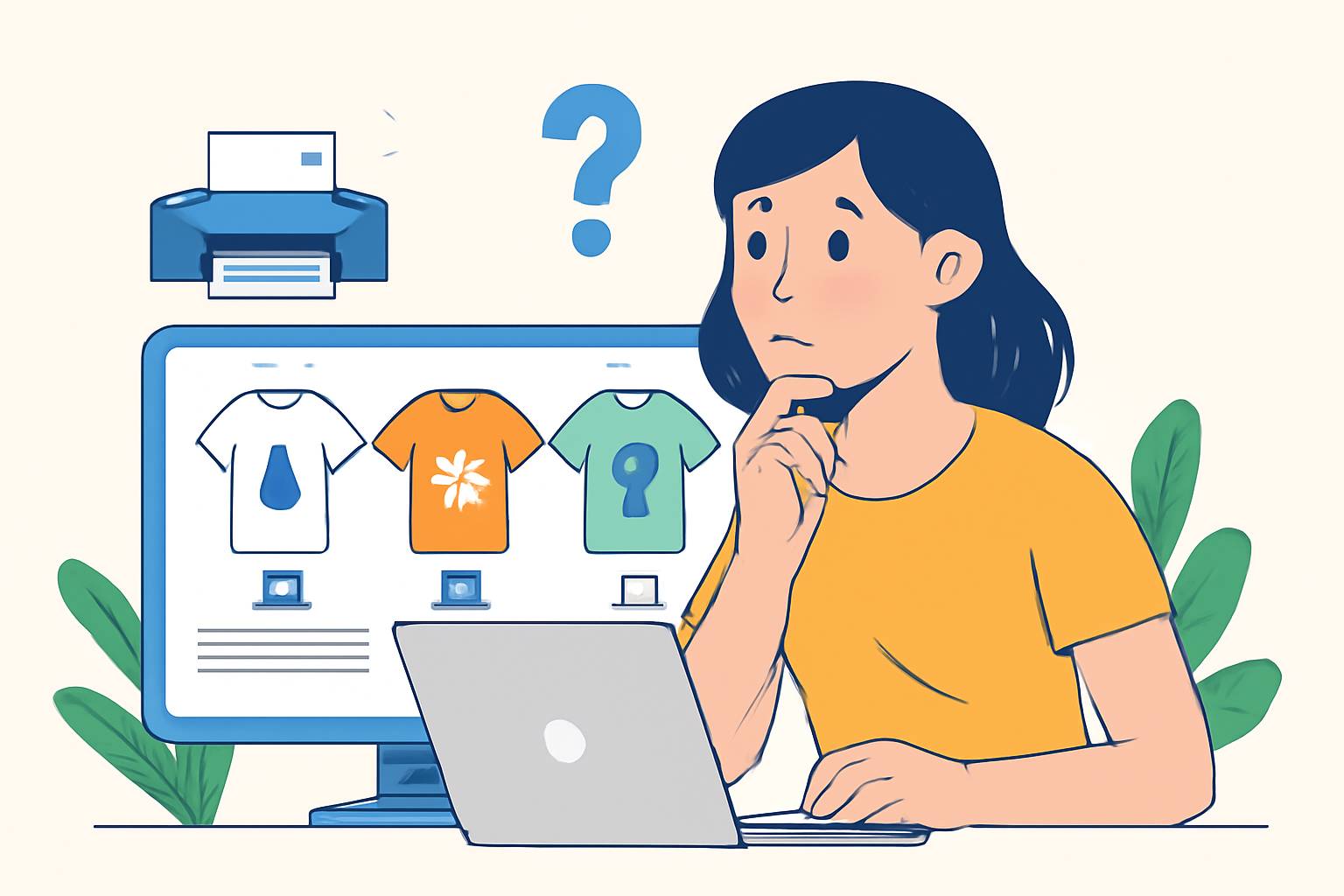
Choosing the right print on demand platform can feel like trying to find a needle in a haystack-there are so many options! But fear not, fellow entrepreneurs. By understanding what to look for and the common pitfalls to avoid, you can make an informed decision that aligns with your business goals.
This guide will help you navigate the decision-making process, whether you're a complete newbie or a seasoned seller looking for a better fit. Let's dive into the essentials that will make your choice clearer and more straightforward.
Table of Contents
Who This Guide is For
This guide is perfect for anyone looking to start or improve their print on demand business. Whether you're a beginner just exploring the possibilities or an experienced seller seeking to switch platforms, this information will help guide your choice. It's especially useful for those wanting to understand the nuances of different platforms without getting bogged down in technical jargon.
More specifically, this guide is tailored for: beginner print on demand.
Beginners
If you are new to the print on demand world, you might feel overwhelmed by the options available. This guide breaks down the essential factors to consider when choosing a platform, making it easier for you to find one that aligns with your goals. Start by asking yourself:
- What types of products do I want to sell?
- What is my budget for startup costs?
- How much time can I dedicate to learning a new platform?
By answering these questions, you can narrow down your choices and focus on platforms that suit your needs.
Experienced Sellers
If you're already familiar with print on demand but are considering a switch, this guide will help you assess your current platform's limitations and explore better alternatives. Here are some factors to evaluate:
- Are you getting the quality and variety of products you need?
- Is the platform user-friendly, or do you find it cumbersome?
- How are the shipping times and costs affecting your customer satisfaction?
These considerations can help you make an informed decision about whether to stay with your current provider or explore new options.
Entrepreneurs Seeking Growth
For those looking to scale their print on demand business, choosing the right platform is crucial. This guide will help you identify platforms that can support your growth. Consider the following:
- Does the platform offer integrations with other tools you use, like marketing software or e-commerce solutions?
- What are the platform's capabilities for handling increased order volume?
- Are there options for customizing products to stand out in a competitive market?
By focusing on growth-oriented features, you can select a platform that will support your business as it expands.
Creative Individuals
If you have a passion for design and want to turn that into a business, this guide will help you find platforms that cater to creative sellers. Consider platforms that:
- Allow for extensive customization of products.
- Provide user-friendly design tools.
- Have a supportive community or resources for artists and designers.
Choosing a platform that aligns with your creative vision can make your print on demand journey more fulfilling and enjoyable.
Those Interested in Niche Markets
If you're aiming to serve a specific niche, this guide will help you identify platforms that cater to specialized products. Here are some questions to consider:
- Does the platform offer unique products that appeal to my target audience?
- Are there any restrictions on the types of designs or themes I can use?
- How does the platform support marketing to niche audiences?
By focusing on niche-specific features, you can differentiate your offerings and attract a dedicated customer base.
In summary, regardless of your experience level or business goals, this guide is designed to provide you with the insights you need to choose the right print on demand platform. By considering your unique situation and the specific factors outlined in this guide, you'll be better equipped to make a decision that aligns with your vision and objectives.
What to Look For in a Print on Demand Platform
1. Product Selection
Evaluate the range of products offered by the platform. A broader selection allows for more creativity and the chance to cater to various customer preferences. Look for platforms that offer both basic items and unique options to stand out in the market.
2. Integration Capabilities
Your platform should seamlessly integrate with your online store, whether it's a Shopify print on demand store or Etsy custom product listings. This ensures that orders and inventory management are streamlined, saving you time and reducing errors.
3. Pricing Structure
Understand the pricing model of the platform. Look out for hidden fees, shipping costs, and the profit margins you can expect. A transparent pricing structure helps you calculate your potential earnings more accurately.
4. Quality of Products
Quality matters! Research customer reviews and feedback regarding the print quality and product durability. Platforms that prioritize quality will enhance your brand's reputation and lead to repeat customers.
5. Shipping and Fulfillment Times
Fast and reliable shipping can be a game changer for customer satisfaction. Investigate the average fulfillment times and shipping options available. If your customers in the Shopify personalized products market are left waiting, they may not return.
6. Customer Support
Good customer support can save you headaches down the road. Check if the platform offers multiple support channels, such as live chat, email, or phone support. Responsive customer service is essential when overcoming print on demand hurdles.
Common Pitfalls to Avoid
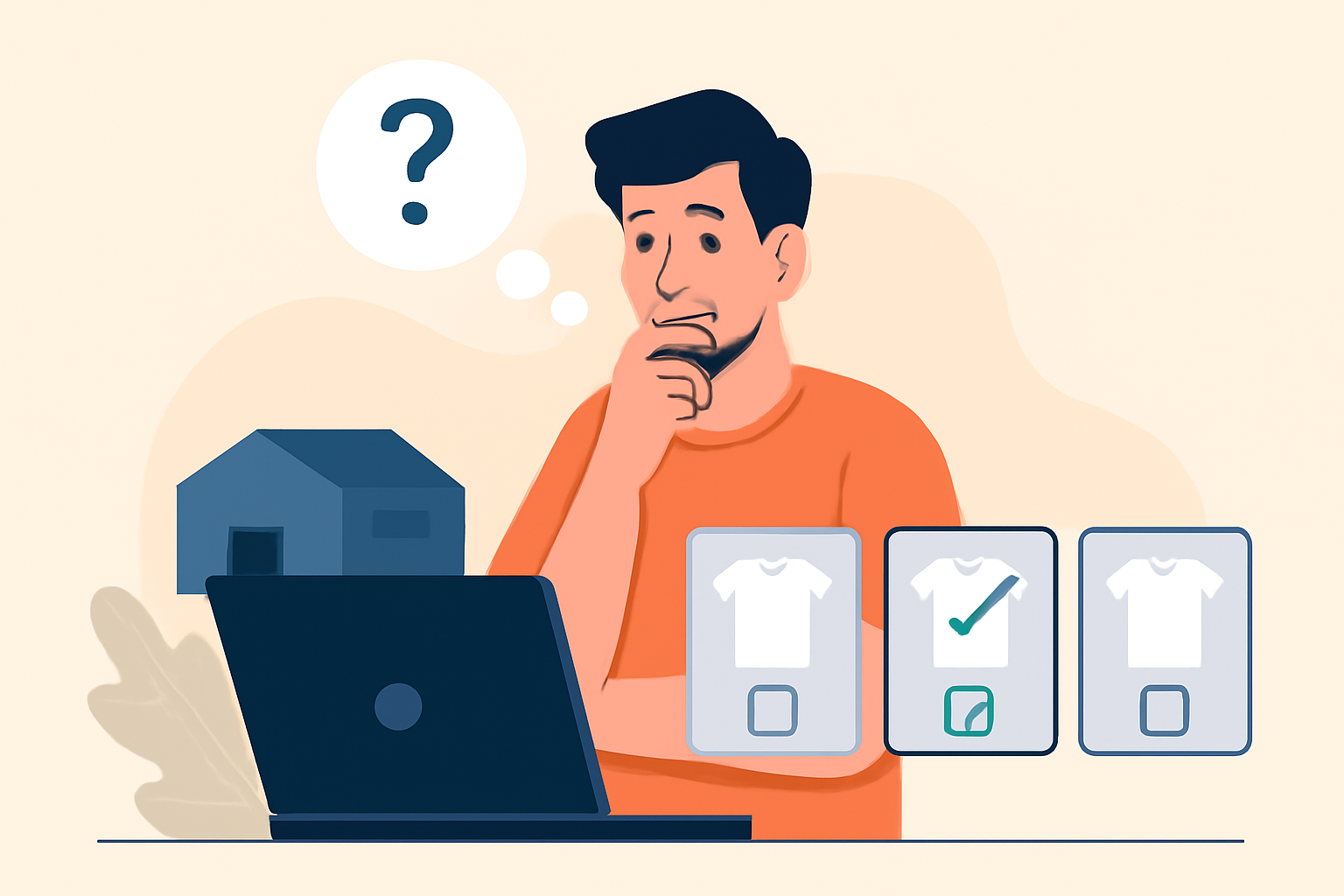
When choosing a print on demand platform, it's easy to fall into certain traps. Here are some common pitfalls to watch out for:
- Ignoring Reviews: Always check user reviews to gauge the platform's reliability and product quality. Look for feedback on customer service responsiveness, product quality, and shipping times. Websites like Trustpilot or Reddit can provide valuable insights. A good practice is to compile a list of pros and cons from multiple reviews to get a balanced view.
- Overlooking Costs: Be wary of low base prices that can lead to high overall costs once you factor in shipping and fees. Create a detailed cost breakdown that includes base price, shipping costs, transaction fees, and any other hidden charges. Compare this breakdown across different platforms. For example, a platform may have a low base price but high shipping costs, which can eat into your profit margins. Use a simple spreadsheet to track these costs for easy comparison.
- Not Testing the Platform: Take advantage of free trials or demos to see if the platform meets your needs before committing. During the trial period, test out key features such as product customization options, ease of use, and integration with your existing online store. Set specific goals for what you want to test, like fulfilling an order or designing a product. Document your experience to refer back to when making your decision. If a platform offers a limited-time discount for annual subscriptions, weigh the benefits against the trial experience before committing.
- Forgetting about Scalability: Choose a platform that can grow with your business. You don't want to switch platforms again when your business takes off. Research the platform's capacity to handle increased order volume, additional product types, and integrations with other tools you may need down the line. Consider reaching out to customer support to ask about their scalability features, such as bulk order processing or automated inventory management. Additionally, look for platforms that offer robust analytics and reporting tools to help you track growth and make data-driven decisions.
Additional Pitfalls to Consider
- Neglecting Customer Support: Quality customer support can save you a lot of headaches. Check if the platform offers multiple support channels (like chat, email, and phone) and their response times. It's essential to have reliable support, especially when you encounter issues with orders or product quality.
- Not Considering Integration Capabilities: Ensure the platform integrates seamlessly with your existing e-commerce tools, such as your website, email marketing software, and social media accounts. A lack of integration can lead to manual work, increasing the chance of errors and wasting time. Make a list of the tools you currently use and check the platform's compatibility with them.
- Ignoring Design Tools: The design tools offered by the platform can significantly impact your product's appeal. Evaluate the ease of use and the range of customization options available. Some platforms offer advanced design features, while others might only provide basic templates. Utilize the trial period to create sample designs and see how they look on actual products.
- Underestimating Shipping Options: Shipping can make or break your customer's experience. Look for platforms that offer a variety of shipping options, including international shipping if you plan to sell globally. Compare shipping times and costs, and consider how they align with your target audience's expectations. For instance, if you're targeting customers who expect fast delivery, ensure the platform can meet those demands.
Checklist for Choosing a Print on Demand Platform
To help you avoid these pitfalls, here's a quick checklist to guide your decision-making process:
- Research and read user reviews from multiple sources.
- Calculate a comprehensive cost breakdown, including all fees.
- Take advantage of free trials or demos.
- Assess the platform's scalability and growth potential.
- Evaluate customer support options and responsiveness.
- Check integration capabilities with your existing tools.
- Explore the design tools and customization options available.
- Review shipping options and their alignment with customer expectations.
By keeping these common pitfalls in mind and utilizing this checklist, you'll be better equipped to choose the right print on demand platform for your business needs. Remember, the right choice can set the foundation for your success in the print on demand industry!
Decision Checklist
Here's a handy checklist to guide your decision-making process:
- Product range meets your niche needs.
- Seamless integration with existing sales channels.
- Transparent pricing with favorable profit margins.
- Positive reviews about product quality.
- Fast and reliable shipping options.
- Responsive customer support.
1. Define Your Niche Needs
Before diving into the product range, take a moment to clearly define your niche. Consider the following:
- Identify your target audience: Who are they? What do they like?
- Research trending products within your niche: What are customers currently seeking?
- Determine the types of products you want to offer: Apparel, home decor, accessories, etc.
Once you have a clear understanding, check if the platforms you're considering offer a variety of products that align with your niche. For example, if you're targeting eco-conscious consumers, look for platforms that offer sustainable products.
2. Evaluate Integration Capabilities
Seamless integration with your existing sales channels is crucial for efficiency. Here are steps to assess this:
- List your current sales channels: Etsy, Shopify, Amazon, etc.
- Research the platforms' integration options: Do they offer plugins or APIs for your channels?
- Check for user reviews regarding integration experiences: Are there common issues reported?
For instance, if you sell on Shopify, ensure that the print on demand platform you're considering has a straightforward app that allows for easy syncing of products and orders.
3. Understand Pricing Models
Transparent pricing is essential for maintaining healthy profit margins. Here's how to analyze pricing:
- Request a pricing sheet from the platform: Ensure it details all costs, including base prices and shipping fees.
- Calculate potential profit margins: Consider your selling price versus the total cost from the platform.
- Look for hidden fees: Are there charges for using certain payment methods or for additional services?
As an example, if a platform charges $15 for a t-shirt, but has a $5 fulfillment fee and a 10% transaction fee, your profit margin could quickly shrink. Always factor in these costs before making a decision.
4. Research Product Quality
Product quality can make or break your business. To ensure you're choosing a reliable platform, follow these steps:
- Order samples: This is the best way to assess the quality firsthand.
- Read customer reviews: Look for feedback specifically about product quality and durability.
- Check return policies: A good platform should offer a reasonable return policy for defective items.
For example, if you order a sample and find the print fades after one wash, that's a red flag. Quality issues can lead to negative reviews and returns, affecting your brand's reputation.
5. Assess Shipping Options
Fast and reliable shipping is key to customer satisfaction. Here's how to evaluate shipping options:
- Review the shipping times offered by the platform: Are they reasonable for your target market?
- Examine shipping costs: Are they competitive, or do they eat into your profits?
- Check for tracking options: Can customers track their orders easily?
For example, if a platform offers 3-5 day shipping within the U.S. but charges a premium for it, weigh that against your expected profit margins. Fast shipping can improve customer satisfaction but should not significantly reduce your profit.
6. Evaluate Customer Support
Responsive customer support can save you a lot of headaches down the line. To evaluate this:
- Test their support channels: Send inquiries via email, chat, or phone. How quickly do they respond?
- Read reviews regarding customer service experiences: Are there common complaints?
- Check their support hours: Are they available during the hours you need them most?
For instance, if you're running a sale and encounter a technical issue, having access to quick support can be crucial. A platform that offers 24/7 support is often a safer choice than one with limited availability.
By following this checklist, you can make a more informed decision when choosing the right print on demand platform that aligns with your business goals and customer expectations. Remember, the right platform can significantly enhance your ability to sell gifts online effectively!
Quick Picks by Scenario
For Beginners
Look for user-friendly platforms with a good range of products and clear pricing structures. A platform with ample tutorials can help you get started. Here are some key considerations:
- Ease of Use: Choose platforms with intuitive interfaces. Tools like Shopify or Printful are popular due to their straightforward setup processes.
- Product Range: Ensure the platform offers a variety of products, such as t-shirts, mugs, and tote bags. This allows you to test different items without needing to switch platforms.
- Educational Resources: Platforms that provide tutorials, webinars, or community forums can be invaluable. They help you learn the ropes more quickly and connect with other sellers.
- Trial Periods: Look for platforms that offer free trials. This allows you to explore their features without financial commitment.
Common mistakes to avoid include not reading user reviews and failing to compare multiple platforms before making a decision. Take your time to research and ask questions in forums or groups to get insights from other beginners.
For Intermediate Sellers
Consider platforms that offer advanced features, such as custom branding options, but also ensure they integrate well with your existing setup. Here are some aspects to evaluate:
- Custom Branding: Look for platforms that allow you to customize packaging and branding elements. This can enhance your brand identity and customer loyalty.
- Integration Capabilities: Ensure the platform integrates smoothly with your current e-commerce tools, such as email marketing services, inventory management systems, and social media platforms.
- Analytics and Reporting: Advanced analytics tools can help you track sales trends, customer behavior, and inventory levels, enabling you to make informed decisions.
- Scalability: Choose a platform that can grow with your business. Check if they offer features like bulk order processing or additional product categories as you expand.
Common pitfalls include underestimating the importance of integration and overlooking the potential benefits of advanced analytics. Take the time to explore these features and see how they can enhance your business operations.
For Budget-Conscious Sellers
Focus on platforms that offer competitive pricing and lower shipping costs. Look for any promotions or discounts that can help you save. Here's what to consider:
- Transparent Pricing: Choose platforms that clearly outline their fees, including monthly subscriptions, transaction fees, and shipping costs. Avoid hidden fees that can eat into your profits.
- Shipping Rates: Research platforms with discounted shipping rates or partnerships with carriers that offer lower costs. This can significantly affect your overall expenses.
- Promotions and Discounts: Keep an eye out for seasonal discounts or referral bonuses. Some platforms offer reduced rates for new users or bulk order discounts.
- Cost-Effective Products: Select platforms that provide a wide range of products at various price points, allowing you to choose items that fit your budget while still appealing to your audience.
Common mistakes include not factoring in shipping costs when comparing platforms and failing to take advantage of promotional offers. Always calculate the total cost of selling on a platform before committing.
For Time-Limited Sellers
Choose a platform with fast fulfillment times and efficient customer support to help you manage orders quickly without compromising quality. Here are some factors to consider:
- Fulfillment Speed: Investigate the average processing and shipping times of the platforms you're considering. Platforms like Printful and Teespring are known for their quick turnaround times.
- Customer Support: Ensure the platform offers reliable customer support through multiple channels, such as live chat, email, or phone. Quick responses can save you time when issues arise.
- Automation Features: Look for platforms that offer automation tools for order processing and inventory management. This can help streamline your operations and reduce manual tasks.
- Mobile Access: Consider platforms that have mobile apps or mobile-friendly dashboards. This allows you to manage your business on the go, which is essential for time-limited sellers.
Common mistakes include underestimating the time needed for fulfillment and not testing customer support responsiveness before choosing a platform. Always do a trial order to gauge their efficiency and service quality.
Conclusion
Choosing the right print on demand platform doesn't have to be overwhelming. By focusing on the criteria outlined in this guide, you can make a confident decision that sets you up for success. Your next step? Start comparing platforms based on your specific needs and preferences, and get ready to launch or enhance your print on demand business!
Steps to Take After Choosing Your Platform
Once you've selected a print on demand platform, it's time to put your plan into action. Here are some practical steps to help you get started:
- Create Your Account: Sign up for your chosen platform. Make sure to verify your account and familiarize yourself with the dashboard.
- Explore the Features: Take the time to explore the features available. Look for design tools, product customization options, and marketing integrations that can help streamline your process.
- Set Up Your Store: Customize your online store. Choose a theme that resonates with your brand and make sure to set up essential pages like About, Contact, and FAQ.
- Add Products: Start adding products to your store. Use high-quality images and compelling descriptions to attract customers. Don't forget to set competitive prices!
- Test the Order Process: Before launching, run a few test orders to ensure everything works smoothly, from product selection to payment processing.
Checklist for Evaluating Your Platform Choice
To ensure you're making the best choice, consider this checklist:
- Does the platform integrate easily with your existing online store or marketplace?
- Are the shipping rates and delivery times reasonable for your target market?
- What are the platform's fees, and how do they impact your profit margins?
- Is customer support readily available, and what are their response times?
- Does the platform offer analytics and reporting tools to track your sales and performance?
Avoiding Common Mistakes
Even with the right platform, mistakes can happen. Here are some common pitfalls to avoid:
- Neglecting Research: Don't rush the decision. Take the time to read reviews, compare features, and understand what other users are saying.
- Ignoring Scalability: Choose a platform that can grow with you. If you plan to expand your product line or target audience, make sure your platform can accommodate that growth.
- Overlooking Marketing Tools: A great product is only half the battle. Ensure your platform has built-in marketing tools or integrations to help you promote your products effectively.
- Failing to Test: Always test the user experience from a customer's perspective. This includes the purchasing process, checkout flow, and customer service response.
Final Thoughts
Choosing the right print on demand platform is a crucial step in your entrepreneurial journey. Take your time, weigh your options, and remember that the platform you choose can have a lasting impact on your business. By following the steps outlined above and keeping this guide in mind, you'll be well on your way to creating a successful print on demand venture that resonates with your audience. Happy selling!
Enjoying This Article? Join The Free POD Community. Connect with other print-on-demand sellers, ask questions, and keep learning inside the Print On Demand Coach community.
Learn More