
Navigating Print on Demand as a New Coach: A Guide for Getting Started
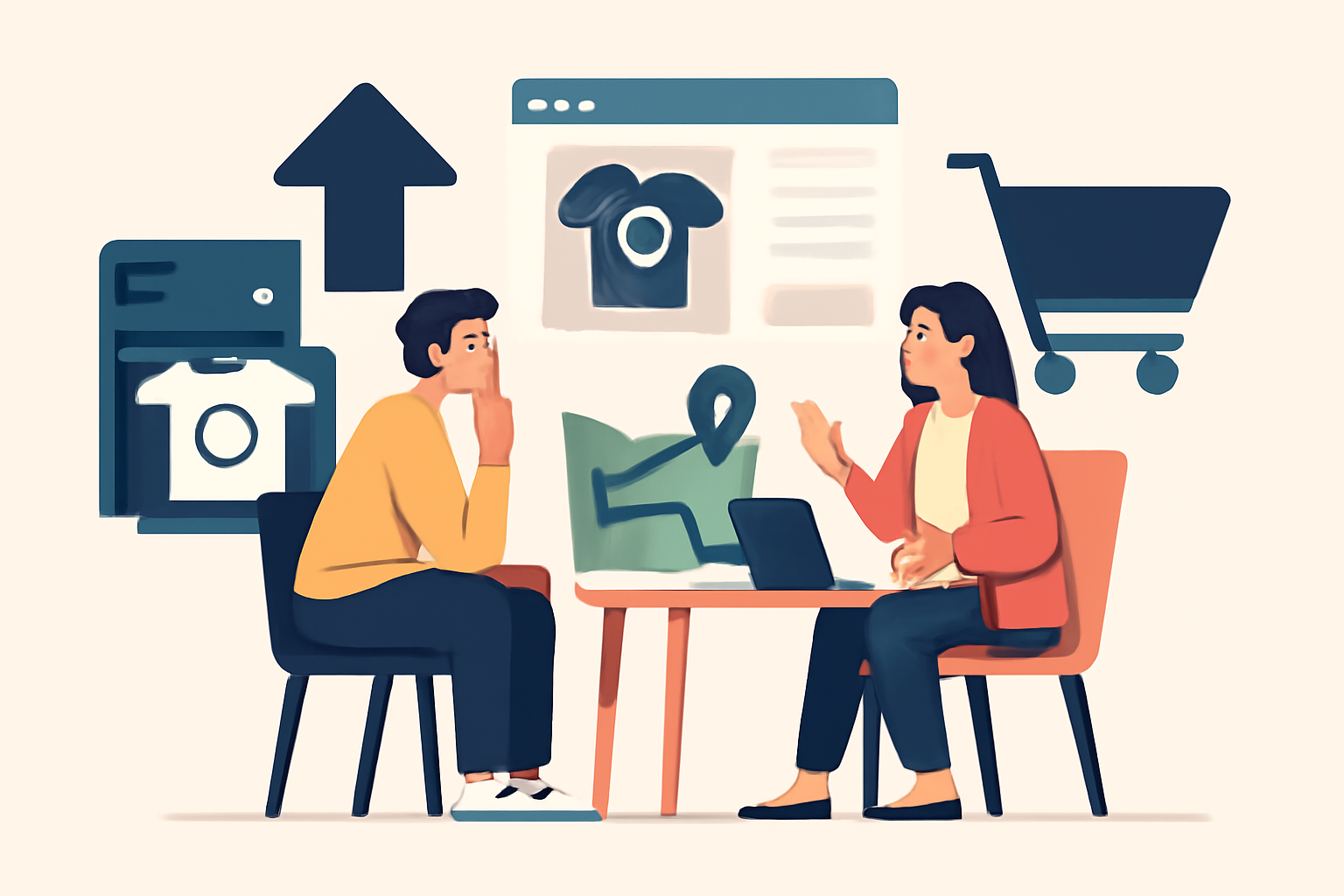
If you're a new coach venturing into the world of print on demand, you're likely facing a mix of excitement and confusion. With so many options available, from setting up a Shopify print on demand store to creating Etsy custom product listings, it's easy to feel overwhelmed. This guide will help you understand the landscape and give you practical steps to navigate your new venture successfully.
In this scenario, we'll focus on the journey of a coach just starting out in print on demand. Whether you're looking to supplement your coaching income or create a unique brand, understanding the basics is crucial. Let's break down the steps you need to take to kickstart your print on demand journey.
Table of Contents
If This is You...
You're a coach who has just discovered the potential of print on demand. You want to offer unique merchandise that resonates with your audience but aren't sure how to get started. You might be unsure about which platform to choose, how to create products that sell, or how to market them effectively. If this sounds familiar, you're in the right place! Understanding the Latest Print on Demand Trends for 2024.
To help you navigate this exciting journey, we'll break down the essential steps you need to take, common pitfalls to avoid, and tips to ensure your print on demand venture aligns perfectly with your coaching brand. advantages of print on demand.
Step 1: Choosing the Right Print on Demand Platform
The first step in your print on demand journey is selecting a platform that fits your needs. Popular options include Printful, Teespring, and Redbubble. Here's how to choose:
- Product Range: Look for platforms that offer products relevant to your coaching niche. For example, if you coach fitness, ensure the platform has activewear or accessories.
- Integration: Check if the platform integrates with your existing website or e-commerce system. This will streamline your operations and improve customer experience.
- Pricing: Compare the base costs of products and shipping fees. Ensure you can set a price that covers your costs while remaining attractive to your customers.
Step 2: Designing Your Products
Once you've selected a platform, it's time to create products that reflect your coaching brand. Here are some practical tips:
- Know Your Audience: Understand what resonates with your audience. Conduct surveys or polls to gather insights on their preferences.
- Use Design Tools: Utilize tools like Canva or Adobe Spark to create eye-catching designs. Keep your branding consistent with colors and fonts that represent your coaching style.
- Test Your Designs: Before launching, gather feedback on your designs from trusted clients or peers. This can help you refine your products.
Step 3: Marketing Your Products
With your products ready, the next step is effective marketing. Here are some strategies to consider:
- Leverage Social Media: Use platforms like Instagram and Facebook to showcase your products. Create engaging posts, stories, and even reels that highlight how your merchandise complements your coaching.
- Email Marketing: Send newsletters to your coaching clients featuring your new products. Include exclusive discounts to encourage purchases.
- Collaborate with Influencers: Partner with influencers in your niche to reach a broader audience. They can help promote your products to their followers, giving you increased visibility.
Common Mistakes to Avoid
As you embark on this journey, be mindful of these common pitfalls:
- Neglecting Quality: Always order samples of your products before offering them to ensure they meet your quality standards.
- Ignoring Customer Feedback: Pay attention to customer reviews and feedback. Use this information to improve your products and services continuously.
- Overcomplicating Your Offerings: Start with a few key products that resonate with your brand rather than overwhelming yourself with too many options.
Checklist for Success
To keep you on track, here's a quick checklist to guide you:
- Choose a print on demand platform that suits your needs.
- Design products that align with your coaching brand.
- Implement a marketing strategy that includes social media and email outreach.
- Order samples to ensure quality.
- Gather and act on customer feedback.
By following these steps, you'll be well on your way to successfully navigating the print on demand landscape as a new coach. Remember, it's all about connecting with your audience and providing them with products that enhance their experience with your coaching services.
Step 1: Understand the Basics of Print on Demand
Before diving into product creation, it's essential to understand what print on demand (POD) entails. Unlike traditional printing, where you have to invest in large quantities upfront, POD allows you to create and sell products only when a customer places an order. This model eliminates the risk of unsold inventory and is perfect for coaches looking to start small.
Challenges of Traditional Printing
Many coaches may be tempted to use traditional printing methods for their merchandise. However, the challenges of traditional printing can be significant-high upfront costs, storage needs, and the risk of leftover stock. By choosing print on demand, you avoid these pitfalls and can focus on what matters most: connecting with your audience.
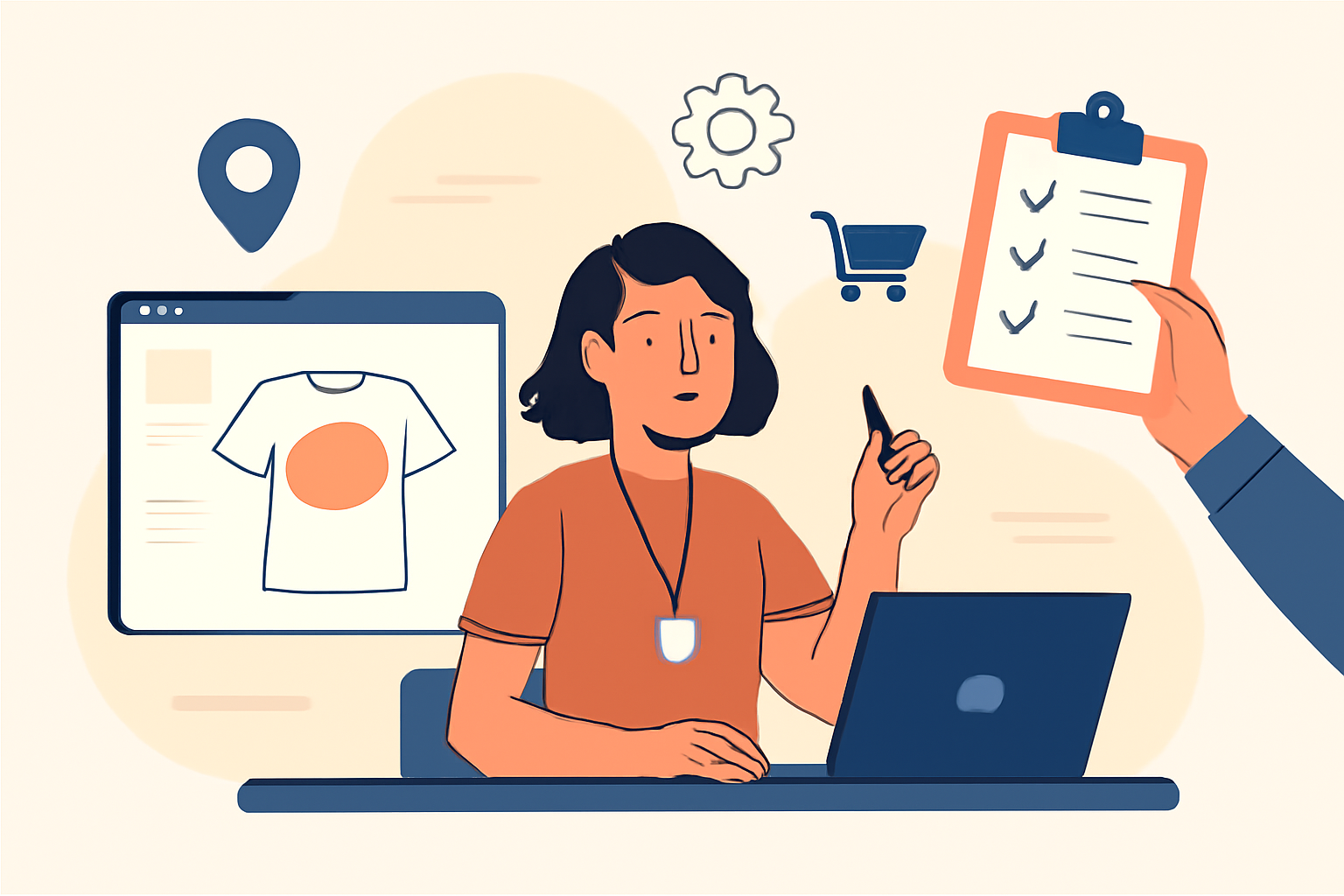
Step 2: Choose the Right Platform
Once you grasp the fundamentals, the next step is selecting a platform that suits your needs. Two popular options for coaches are Shopify and Etsy. Each platform has its unique features, so let's explore them briefly.
Shopify Print on Demand Store
Shopify is an excellent choice for those looking to build a comprehensive brand. With a Shopify print on demand store, you can customize your site, integrate various POD providers, and have full control over your branding. This is ideal if you want to create a cohesive online presence that reflects your coaching style.
Etsy Custom Product Listings
If you prefer a marketplace approach, Etsy is a great option. It allows you to create Etsy custom product listings without the need to build a standalone website. Etsy's existing audience is already looking for unique items, which can be beneficial for new coaches. However, keep in mind that you'll be competing with other sellers, so standing out is key.
Step 3: Create Your Product Line
Now that you've chosen a platform, it's time to get creative! Think about products that resonate with your coaching niche. T-shirts, mugs, and journals are popular choices, but consider what your audience would genuinely appreciate. Your product line should reflect your brand and serve your customers' needs. To ensure you're on the right track, it's essential to conduct some research into what products are trending in your niche and what your competitors are offering.
Identifying Your Target Audience
Before diving into product creation, take a moment to clearly define your target audience. Consider the following steps:
- Demographics: Identify the age, gender, location, and occupation of your audience.
- Interests: What hobbies or interests do they have that align with your coaching services?
- Pain Points: What challenges do they face that your products can help solve?
Creating a customer persona can help visualize your ideal customer and guide your product decisions.
Designing Your Products
When designing your products, remember to keep your brand voice in mind. Use your coaching insights to create designs that speak to your audience's pain points or aspirations. Tools like Canva can help you create visually appealing designs without needing extensive graphic design skills. Here are some practical tips to enhance your design process:
- Keep It Simple: A clean and simple design often resonates more than a cluttered one. Ensure your message is clear and easy to read.
- Color Psychology: Use colors that evoke the emotions you want your audience to feel. For instance, blue can convey trust, while yellow can inspire optimism.
- Incorporate Quotes: Motivational quotes that align with your coaching philosophy can be a hit, especially on products like mugs and journals.
- Test Your Designs: Share your designs with a small group of trusted customers or friends to gather feedback before launching.
Product Types to Consider
As you brainstorm products, think beyond the usual suspects. Here are some unique ideas tailored for coaching niches:
- Workbooks: Create guided workbooks that help your clients implement what they learn in your coaching sessions.
- Motivational Posters: Design posters featuring inspiring quotes or affirmations that your audience can hang in their workspace.
- Stickers: Small, fun stickers with motivational phrases or graphics can be popular among younger audiences and can be sold in packs.
- Custom Apparel: Beyond T-shirts, consider hoodies, tote bags, or caps with your branding or motivational messages.
Common Mistakes to Avoid
As you develop your product line, be aware of common pitfalls that can derail your efforts:
- Ignoring Market Research: Failing to understand what your audience wants can lead to products that don't sell.
- Overcomplicating Designs: Remember that less is often more. Complicated designs can confuse customers.
- Not Testing Products: Always order samples of your products to check quality before launching them to your audience.
- Neglecting Pricing Strategy: Ensure your pricing reflects the quality of your products while being competitive in the market.
Finalizing Your Product Line
Once you have a solid list of products, it's time to finalize your offerings. Consider these steps:
- Limit Your Initial Offerings: Start with a manageable number of products to avoid overwhelming yourself and your customers.
- Set Clear Objectives: Define what you want to achieve with each product-whether it's brand awareness, customer engagement, or direct sales.
- Develop a Launch Plan: Plan how you will introduce your products to your audience. Consider using email marketing, social media, or special promotions to create buzz.
Creating your product line is an exciting step in your journey as a coach. By aligning your offerings with your coaching philosophy and your audience's needs, you can build a product line that not only drives sales but also enhances your brand's impact.
Step 4: Marketing Your Products
Now that your products are ready, it's time to get the word out! Marketing is critical to your success in print on demand. Leverage your existing coaching audience through social media, email newsletters, and your website. Share stories about your products and how they align with your coaching philosophy.
Utilizing Social Media
Social media platforms are powerful tools for coaches. Use Instagram and Facebook to showcase your products, share testimonials, and engage with your audience. Consider running promotions or giveaways to encourage people to try your new offerings. The more you can connect your products to your coaching message, the more likely they are to resonate with potential buyers.
Here's a step-by-step approach to maximize your social media marketing:
- Identify Your Target Audience: Understand who your ideal customers are. Create customer personas to tailor your content effectively.
- Choose the Right Platforms: Focus on platforms where your audience is most active. Instagram is great for visuals, while Facebook can be used for community building and engagement.
- Create Engaging Content: Use high-quality images and videos of your products. Consider behind-the-scenes content showing the creation process or how your products fit into your coaching philosophy.
- Utilize Stories and Reels: Leverage Instagram Stories or Facebook Reels to share quick updates, product launches, or customer testimonials. These formats are highly engaging and can drive traffic to your products.
- Engage with Your Audience: Respond to comments and messages promptly. Create polls or ask questions to encourage interaction and feedback.
- Run Targeted Ads: Consider using paid advertising to reach a broader audience. Set specific goals for your ads, such as driving traffic to your website or increasing product awareness.
- Track Your Results: Use analytics tools to monitor engagement, clicks, and conversions. Adjust your strategies based on what works best.
Building an Email List
Email marketing remains one of the most effective ways to reach your audience. Start building an email list if you haven't already. Here's how:
- Offer Incentives: Provide a free resource, such as a coaching guide or a discount on first purchases, in exchange for email sign-ups.
- Segment Your List: Organize your email list based on interests or previous interactions. This allows you to send tailored messages that resonate with different segments.
- Create Regular Newsletters: Send out newsletters that include product updates, coaching tips, and personal stories. Make sure to highlight how your products can benefit your audience.
- Include Strong Calls to Action: Encourage your readers to check out your products with clear and enticing calls to action.
Leveraging Your Website
Your website is the hub of your online presence. Make sure it effectively showcases your products and coaching services. Here are some tips:
- Optimize for SEO: Use relevant keywords throughout your site to improve search engine visibility. This includes product descriptions, blog posts, and metadata.
- Create a Dedicated Shop Page: Make it easy for visitors to find and purchase your products. Include high-quality images, detailed descriptions, and customer reviews.
- Incorporate a Blog: Share valuable content related to your coaching niche. This can drive traffic to your site and establish you as an authority in your field.
- Use Testimonials: Feature testimonials prominently on your site. Positive feedback can greatly influence potential buyers.
Connecting Your Products to Your Coaching Philosophy
It's essential to show how your products align with your coaching philosophy. Here are ways to effectively connect the dots:
- Share Personal Stories: Talk about your journey and how your products have played a role in your coaching practice. Authenticity builds trust.
- Highlight Benefits: Clearly articulate how your products can help your audience achieve their goals. Focus on the transformation they can expect.
- Create Content Around Your Products: Develop blog posts, videos, or podcasts that discuss the themes of your products. This reinforces their value and encourages purchases.
By implementing these strategies, you can effectively market your print-on-demand products and create a strong connection with your coaching audience. Remember, the key is to be consistent and genuine in your marketing efforts. Happy selling!
Step 5: Monitor and Optimize
Once your products are live, it's essential to monitor their performance. Use analytics tools provided by your platform to track sales and customer behavior. What products are selling well? Which designs do customers prefer? Use this data to optimize your offerings and marketing strategies.
Tracking Key Metrics
To effectively monitor your print on demand business, focus on several key performance indicators (KPIs). Here are some important metrics to track:
- Sales Volume: Keep an eye on the number of units sold for each product. This will help you identify best-sellers and underperforming items.
- Conversion Rate: Measure the percentage of visitors who make a purchase. A low conversion rate may indicate issues with your product pages or marketing strategies.
- Customer Acquisition Cost (CAC): Calculate how much you spend to acquire each customer. This includes marketing expenses and promotional offers. Aim to keep this cost lower than your average profit per sale.
- Return Rate: Monitor the percentage of products returned by customers. A high return rate may signal problems with product quality or customer satisfaction.
- Customer Feedback: Analyze reviews and ratings to gauge customer satisfaction and identify areas for improvement.
Utilizing Analytics Tools
Many print on demand platforms offer built-in analytics tools, but you can also use external tools to gain deeper insights. Here are steps to effectively utilize these tools:
- Set Up Tracking: Ensure that you have tracking codes set up on your website or store. This will allow you to gather data on visitor behavior.
- Regularly Review Data: Schedule weekly or monthly reviews of your analytics data. Look for trends and patterns that can inform your decisions.
- Test and Adjust: Use A/B testing to experiment with different designs, pricing, and marketing strategies. Analyze the results to see what works best.
Optimizing Product Offerings
Based on the data you collect, you can make informed decisions about your product offerings. Here are some practical steps to optimize your inventory:
- Refresh Designs: If certain designs are underperforming, consider updating them or creating variations. Sometimes a small change can make a big difference.
- Expand Best-Sellers: If you identify a few top-selling products, consider introducing new colors, sizes, or related items to capitalize on their popularity.
- Seasonal Adjustments: Be mindful of seasonal trends and adjust your inventory accordingly. For example, promote holiday-themed items well in advance of the season.
Navigating Print on Demand Issues
As you venture into print on demand, you may encounter challenges, such as handling customer inquiries or managing inventory. Stay proactive by addressing common concerns and ensuring a smooth customer experience. Here are some common issues and how to tackle them:
- Customer Inquiries: Be prepared to answer questions about sizing, shipping times, and product care. Create a comprehensive FAQ section on your website to address common queries.
- Inventory Management: While print on demand reduces the need for physical inventory, you still need to manage your product listings. Regularly check that your designs are available and that your suppliers can fulfill orders promptly.
- Shipping Delays: Communicate transparently with customers about expected shipping times. If delays occur, notify customers as soon as possible to maintain trust.
- Quality Control: Ensure that your print on demand provider maintains high-quality standards. Order samples of your products regularly to check for consistency and quality.
Remember that feedback is valuable; use it to improve your products and service continually. Encourage customers to leave reviews and take their suggestions seriously. By actively monitoring your performance and optimizing your offerings, you can build a successful print on demand business that resonates with your audience.
Conclusion: Take the Next Step
Starting your journey in print on demand as a new coach can be exhilarating and daunting. The key is to take it one step at a time. Focus on understanding the basics, choosing the right platform, creating meaningful products, and marketing effectively. With the right approach, you can successfully navigate the world of print on demand and create a unique offering that enhances your coaching business. So, what are you waiting for? Dive into your Print On Demand Coach training today and start building your brand!
Step-by-Step Action Plan
To ensure you're on the right path, here's a straightforward action plan to guide your journey:
- Research Your Niche: Identify what specific coaching niche you want to target. This could be fitness, life coaching, business coaching, etc. Look for trends and gaps in the market that your products can fill.
- Select a Print on Demand Platform: Evaluate platforms like Printful, Teespring, or Redbubble. Consider factors like product offerings, pricing, shipping times, and integration with your existing website or social media.
- Create Your Designs: Use tools like Canva or Adobe Illustrator to create eye-catching designs that resonate with your audience. Ensure your designs convey your coaching philosophy or brand message.
- Set Up Your Online Store: Create a user-friendly online store. Make sure to include high-quality images, detailed product descriptions, and a clear call to action.
- Develop a Marketing Strategy: Plan how you will promote your products. Consider using social media, email marketing, and collaborations with other coaches or influencers in your niche.
- Launch and Gather Feedback: Once you launch your products, solicit feedback from your audience. Use this feedback to make improvements and adapt your offerings as needed.
Common Mistakes to Avoid
As you embark on this journey, be aware of common pitfalls that can hinder your success:
- Neglecting Market Research: Failing to understand your target audience can lead to products that don't resonate. Always conduct thorough research before launching.
- Overcomplicating Your Designs: Simplicity often wins. Ensure your designs are clear and convey your message without being overly complex.
- Ignoring SEO Basics: Optimize your product listings with relevant keywords to improve visibility in search engines. This can significantly impact your sales.
- Underestimating Marketing Efforts: Don't just launch your products and hope for the best. Consistent marketing is crucial for driving traffic and sales.
- Failing to Track Metrics: Use analytics tools to track your sales, customer behavior, and marketing effectiveness. This data is invaluable for making informed decisions.
Final Thoughts
Remember, the print on demand space is continually evolving. Stay adaptable, keep learning, and don't hesitate to seek support from fellow coaches or online communities. Your unique offerings can make a significant impact, not just in your coaching business but also in the lives of those you aim to help. So, take that leap, embrace the process, and enjoy the journey!
Enjoying This Article? Join The Free POD Community. Connect with other print-on-demand sellers, ask questions, and keep learning inside the Print On Demand Coach community.
Learn More