
Print on Demand vs Traditional Retail: A Comprehensive Comparison
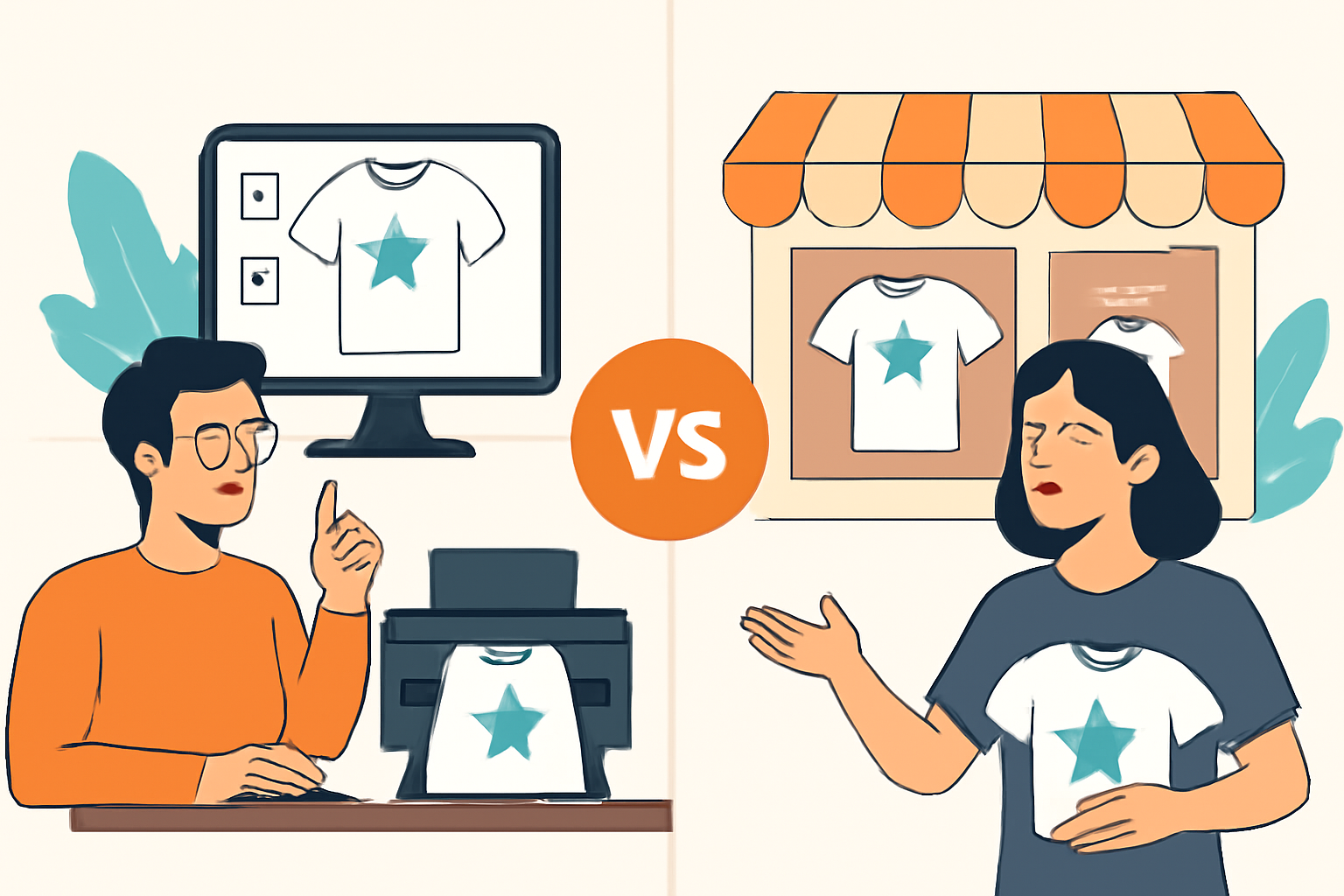
Choosing between print on demand and traditional retail can feel like standing at a crossroads. Both options have distinct advantages and drawbacks, making it essential to understand how they fit your business vision. This comparison will help you navigate these waters and decide which model aligns best with your goals.
In this post, we'll delve into the key differences, benefits, and challenges of print on demand and traditional retail. By the end, you'll have a clearer picture of which path might be right for you as you explore your options in the world of selling gifts online.
Table of Contents

Understanding Print on Demand
Print on demand (POD) is a business model where products are only printed after an order is made. This means you don't have to keep inventory, and you can offer a wide range of customizable products without upfront costs. Here are some essential aspects of POD: Your Comprehensive Guide to Print on Demand for Beginners.
Benefits of Print on Demand
- No inventory costs: You only pay for products after they are sold. This allows you to allocate your budget to marketing and customer service rather than tying up funds in unsold stock.
- Flexibility: Easily add or change designs based on customer feedback. For example, if a particular design gains traction, you can quickly ramp up production without worrying about leftover inventory.
- Lower risk: Since you don't invest in inventory, your financial risk is minimized. You can test new products with minimal upfront investment, allowing for more experimentation and creativity.
Challenges of Print on Demand
- Longer shipping times: Production time can delay delivery to customers. It's essential to communicate expected delivery times clearly on your website to manage customer expectations.
- Lower margins: Costs per item can be higher compared to bulk production. To mitigate this, consider offering premium products that justify the price or focusing on niche markets where competition is less intense.
- Dependence on suppliers: Quality control is in the hands of your POD provider. It's crucial to choose a reputable supplier with a track record of quality products and reliable shipping. Regularly order samples to ensure the quality meets your standards.
Steps to Get Started with Print on Demand
- Choose a Niche: Identify a specific market or audience you want to target. This could be based on interests, hobbies, or demographics.
- Research Suppliers: Look for POD companies that offer the products you want to sell. Compare their pricing, shipping times, and product quality.
- Create Designs: Use graphic design software or hire a designer to create appealing and unique designs that resonate with your target audience.
- Set Up Your Online Store: Choose an eCommerce platform that integrates with your POD supplier. Platforms like Shopify or Etsy are popular choices.
- Market Your Products: Use social media, email marketing, and SEO strategies to attract customers to your store. Consider running ads to increase visibility.
- Monitor Performance: Keep track of your sales, customer feedback, and product performance. This data will help you make informed decisions about future designs and marketing strategies.
Common Mistakes to Avoid in Print on Demand
- Neglecting Research: Failing to research your target market can lead to poor product choices. Spend time understanding what your audience wants.
- Overlooking Quality Control: Not checking the quality of products can damage your brand's reputation. Regularly order and review samples from your supplier.
- Ignoring Customer Service: Providing poor customer service can result in negative reviews and lost sales. Be responsive to inquiries and resolve issues promptly.
- Underestimating Marketing Efforts: Relying solely on organic traffic can limit your growth. Invest time and resources into marketing to reach a broader audience.
Understanding print on demand is crucial for anyone looking to enter the eCommerce space without the burden of traditional retail challenges. By leveraging its benefits and being aware of its challenges, you can effectively navigate this business model and set yourself up for success. avoiding print on demand errors.
Understanding Traditional Retail
Traditional retail involves purchasing inventory upfront, which you then sell through various channels, whether online or in physical stores. Here's what you need to know about this model:
Benefits of Traditional Retail
- Immediate product availability: Customers receive their items faster since products are already in stock. This can lead to higher customer satisfaction and repeat business. Consider having a well-organized inventory system to ensure that popular items are always available.
- Better profit margins: Bulk purchasing often leads to lower costs per unit. For example, if you buy 100 units of a product at $10 each, your total cost is $1,000. If you sell each unit for $20, your profit margin is significantly higher compared to buying items one at a time.
- Brand control: You have full oversight over product quality and presentation. This means you can ensure that your packaging aligns with your brand identity, and you can implement quality checks to maintain customer satisfaction.
Challenges of Traditional Retail
- Higher upfront costs: You need to invest in inventory, increasing financial risk. It's essential to conduct thorough market research to avoid overstocking items that may not sell. Consider creating a budget that includes not just the cost of goods but also storage and marketing expenses.
- Limited flexibility: Changing product offerings can be costly and time-consuming. If a product isn't selling well, you may be stuck with unsold inventory. Implementing a seasonal or trend-based strategy can help mitigate this risk, allowing you to adjust your offerings based on market demand.
- Storage requirements: You need space to store inventory, which can add overhead costs. Evaluate your storage options carefully-whether it's a dedicated warehouse, a rented space, or even your garage. Keep in mind that effective inventory management software can help you track stock levels and avoid over-purchasing.
Key Considerations for Success in Traditional Retail
- Market Research: Conduct thorough research to understand your target audience and their purchasing habits. This will help you select products that are likely to sell.
- Inventory Management: Develop a robust inventory management system to track stock levels and sales trends. This can help you make informed decisions about reordering and discontinuing products.
- Supplier Relationships: Build strong relationships with suppliers to negotiate better pricing and ensure timely deliveries. This can reduce your costs and improve your cash flow.
- Marketing Strategies: Invest in marketing strategies that drive traffic to your store, whether online or physical. This could include social media advertising, email marketing, or local promotions.
Common Mistakes to Avoid
- Overestimating Demand: Many retailers fall into the trap of overordering products based on assumptions rather than data. Always base your orders on solid sales forecasts.
- Neglecting Customer Feedback: Ignoring what customers say about your products can lead to poor sales and unsatisfied customers. Regularly solicit feedback and be prepared to adjust your offerings accordingly.
- Failing to Adapt: The retail landscape is constantly changing. Stay informed about market trends and be willing to pivot your business model as necessary to stay competitive.

Comparative Overview
| Feature | Print on Demand | Traditional Retail |
|---|---|---|
| Inventory Management | No inventory costs | Requires upfront investment in stock |
| Shipping Speed | Longer shipping times | Immediate product availability |
| Profit Margins | Potentially lower margins | Higher profit margins through bulk purchasing |
| Flexibility | Highly flexible with designs | Limited flexibility due to inventory |
| Quality Control | Dependent on suppliers | Full control over product quality |
Inventory Management
In the print on demand model, the absence of physical inventory means you can avoid the costs associated with storing products. This allows you to focus on marketing and customer engagement rather than worrying about stock levels. Here are some practical steps to manage your inventory effectively:
- Utilize software tools that integrate with your print on demand services to track orders and sales.
- Regularly analyze sales trends to predict demand and adjust your designs accordingly.
- Consider seasonal trends and plan your designs in advance to maximize sales opportunities.
In contrast, traditional retail requires a significant upfront investment in stock, which can lead to cash flow issues if products do not sell as expected. Here are common mistakes to avoid:
- Overestimating demand and purchasing too much inventory.
- Failing to rotate stock, leading to outdated products.
- Neglecting to analyze sales data, which can inform future purchasing decisions.
Shipping Speed
With print on demand, shipping times can be longer due to the process of printing items only after an order is placed. This means that customers may wait longer to receive their products. To mitigate this, consider the following:
- Clearly communicate estimated shipping times on your website to manage customer expectations.
- Choose print on demand providers with a reputation for faster processing times.
- Offer expedited shipping options at an additional cost for customers who need their items sooner.
On the other hand, traditional retail can offer immediate product availability, which can be a significant advantage in attracting customers who prefer instant gratification. However, this model can lead to excess inventory if products do not sell quickly.
Profit Margins
Print on demand often results in lower profit margins due to higher per-unit costs. Here are strategies to improve your margins:
- Focus on niche markets where competition is lower, allowing you to charge premium prices.
- Optimize your marketing efforts to reduce customer acquisition costs.
- Experiment with upselling or bundling products to increase average order value.
Conversely, traditional retail benefits from bulk purchasing, which can significantly reduce costs per unit. However, this requires a careful balance of inventory management to avoid overstocking.
Flexibility
Print on demand offers unparalleled flexibility in design. You can easily update your offerings without the risk of leftover inventory. To capitalize on this, consider:
- Regularly refreshing your product line with seasonal or trending designs.
- Utilizing customer feedback to inform new product ideas or modifications.
- Running limited-time offers to create urgency and drive sales.
In contrast, traditional retail may struggle with flexibility due to existing inventory commitments. This can stifle innovation and responsiveness to market trends.
Quality Control
In print on demand, you rely on suppliers for product quality, which can vary. To ensure customer satisfaction, implement these practices:
- Order samples from your suppliers to assess quality before offering products to customers.
- Read reviews and feedback on suppliers to gauge reliability and product quality.
- Establish clear communication with suppliers to address any quality concerns promptly.
Traditional retail allows for full control over product quality, enabling sellers to inspect items before they hit the shelves. However, this can lead to increased labor costs and time spent on quality checks.
Which Option Fits You?
Choosing between print on demand and traditional retail hinges on your business goals and personal preferences. Here are some scenarios to help you decide:
Choose Print on Demand If:
- You are just starting and want to minimize risk.
- You have limited funds for initial inventory investment.
- You prefer to focus on design and marketing rather than inventory management.
Print on demand (POD) is an excellent choice for those venturing into the world of online sales for the first time. Here's a deeper look at why it might be the right fit for you:
Steps to Get Started with Print on Demand:
- Research Your Niche: Identify a target audience that aligns with your interests and designs. Use tools like Google Trends or social media insights to gauge demand. For example, if you notice a growing interest in eco-friendly products, consider creating designs that reflect this trend.
- Select a POD Platform: Choose a reliable POD service such as Printful, Teespring, or Redbubble. Compare their product offerings, pricing, and shipping times. Read reviews and possibly reach out to other sellers for their experiences.
- Create Your Designs: Use graphic design software like Canva or Adobe Illustrator. Ensure your designs are unique and cater to your audience's preferences. Consider testing your designs on social media to gather feedback before launching.
- Set Up Your Online Store: Use e-commerce platforms like Shopify or Etsy to create your storefront. Make sure to optimize your listings with SEO-friendly descriptions. Include high-quality images and consider writing a compelling brand story to connect with potential buyers.
- Market Your Products: Utilize social media, email marketing, and influencer partnerships to promote your designs. Consider using paid ads to reach a broader audience. Create engaging content, such as behind-the-scenes videos of your design process, to draw in customers.
Common Mistakes to Avoid:
- Neglecting Product Quality: Always order samples before selling to ensure the quality meets your standards. This can save you from disappointing customers and damaging your brand's reputation.
- Ignoring Customer Service: Be responsive to customer inquiries and complaints to build a loyal customer base. Consider setting up an FAQ section to address common questions and streamline your responses.
- Overlooking Marketing: Don't just rely on the platform to sell your products; actively engage in marketing efforts. Regularly analyze your marketing strategies to see what works and adjust your approach accordingly.
Choose Traditional Retail If:
- You have the capital to invest in inventory upfront.
- You want to offer products with faster delivery times.
- You are prepared to manage storage and shipping logistics.
Traditional retail can be a lucrative avenue if you have the resources and are willing to take on the associated responsibilities. Here's what you need to consider:
Steps to Get Started with Traditional Retail:
- Conduct Market Research: Understand your target market and competitors. Analyze their pricing, product offerings, and customer feedback. Use surveys or focus groups to gather insights directly from potential customers.
- Source Your Products: Find reliable suppliers or manufacturers. Negotiate prices and establish a good relationship for future orders. Consider visiting trade shows to discover new products and network with suppliers.
- Establish a Business Plan: Outline your business model, marketing strategies, and financial projections. This will guide your operations and help secure funding if needed. A solid business plan can also help you stay focused and organized as you grow.
- Set Up Your Storefront: Whether online or physical, create an appealing shopping environment. Invest in good product photography and an easy-to-navigate website. If you have a physical store, consider the layout and how products are displayed to enhance customer experience.
- Implement Inventory Management: Use inventory management software to keep track of stock levels, sales, and reorder points. Regularly review your inventory reports to identify trends and adjust your purchasing strategy accordingly.
Common Mistakes to Avoid:
- Overstocking or Understocking: Carefully analyze sales trends to avoid tying up capital in unsold inventory. Use historical sales data to forecast demand and adjust your orders accordingly.
- Ignoring Customer Feedback: Listen to your customers and make adjustments based on their needs and preferences. Create a system for collecting and analyzing feedback to continuously improve your offerings.
- Neglecting Marketing: Just having a store isn't enough; actively promote your products through various channels. Develop a marketing calendar to plan your campaigns and keep your promotions consistent and timely.
Conclusion
Both print on demand and traditional retail have their own sets of advantages and challenges. The key to success is aligning your choice with your business strategy and customer expectations. As you explore print on demand opportunities, remember to leverage Print On Demand Coach insights to guide your decisions and maximize your potential. Whether you choose to dive into the world of print on demand or stick with traditional retail, focus on avoiding print on demand errors and refining your approach based on market demands. Happy selling!
Key Takeaways
- Understand Your Audience: Knowing who your customers are will help you tailor your products effectively, whether you choose print on demand or traditional retail. Conduct surveys or engage with customers on social media to gather insights about their preferences and needs.
- Evaluate Costs: Calculate the costs associated with both models. Print on demand often has lower upfront costs, while traditional retail may require significant inventory investment. Create a detailed budget that includes production, shipping, and marketing costs for both options.
- Flexibility and Scalability: Print on demand offers more flexibility in terms of product offerings and scaling your business without the burden of unsold inventory. Consider how quickly you can adapt your product line based on customer feedback and market trends.
- Market Trends: Stay updated on market trends to adapt your strategy accordingly, ensuring that you meet customer demands effectively. Subscribe to industry newsletters, follow relevant blogs, and participate in webinars to keep your knowledge current.
Common Mistakes to Avoid
- Ignoring Quality Control: In print on demand, always order samples to check the quality of the products before selling them to customers. Develop a checklist for quality checks, including design clarity, fabric feel, and print durability.
- Underestimating Shipping Times: Be transparent with customers about shipping times, especially in print on demand, where fulfillment can vary. Set realistic expectations and communicate any potential delays proactively to maintain customer satisfaction.
- Neglecting Marketing: Whether you choose print on demand or traditional retail, invest time in marketing your products. A great product without visibility will struggle to sell. Create a marketing plan that includes social media strategies, email campaigns, and influencer partnerships.
- Overcomplicating Your Offerings: Start with a few key products and expand based on customer feedback and demand, rather than overwhelming your audience with too many options. Use a phased approach to introduce new items, allowing you to gauge interest and make adjustments as needed.
Next Steps
- Conduct a SWOT Analysis: Evaluate the strengths, weaknesses, opportunities, and threats of both business models to make an informed decision. Document your findings in a table format to visualize the comparison clearly.
- Test the Waters: Consider starting with a small print on demand collection to gauge interest before fully committing to that model. Use platforms like Etsy or Shopify to launch a limited collection and analyze customer response.
- Engage with Your Community: Join forums or groups related to print on demand and retail to share experiences and learn from others. Participate in discussions, ask questions, and contribute your insights to build connections and gain valuable knowledge.
- Set Clear Goals: Define what success looks like for your business. Whether you aim for a certain revenue target or customer base, having clear goals will guide your strategy. Break down your goals into actionable steps and set timelines to track your progress.
Final Thoughts
Ultimately, the choice between print on demand and traditional retail should align with your vision as a seller. Both paths can lead to success when approached with the right mindset and strategy. As you navigate this journey, remember that learning and adapting are crucial. Embrace the challenges as opportunities for growth, and don't hesitate to seek guidance from resources like Print On Demand Coach. With the right tools and insights, you can thrive in either model. Happy selling!
Enjoying This Article? Join The Free POD Community. Connect with other print-on-demand sellers, ask questions, and keep learning inside the Print On Demand Coach community.
Learn More